
Energy-Saving Tips for Your Prefab Home
11/29/20257 min read
Understanding Prefab Homes
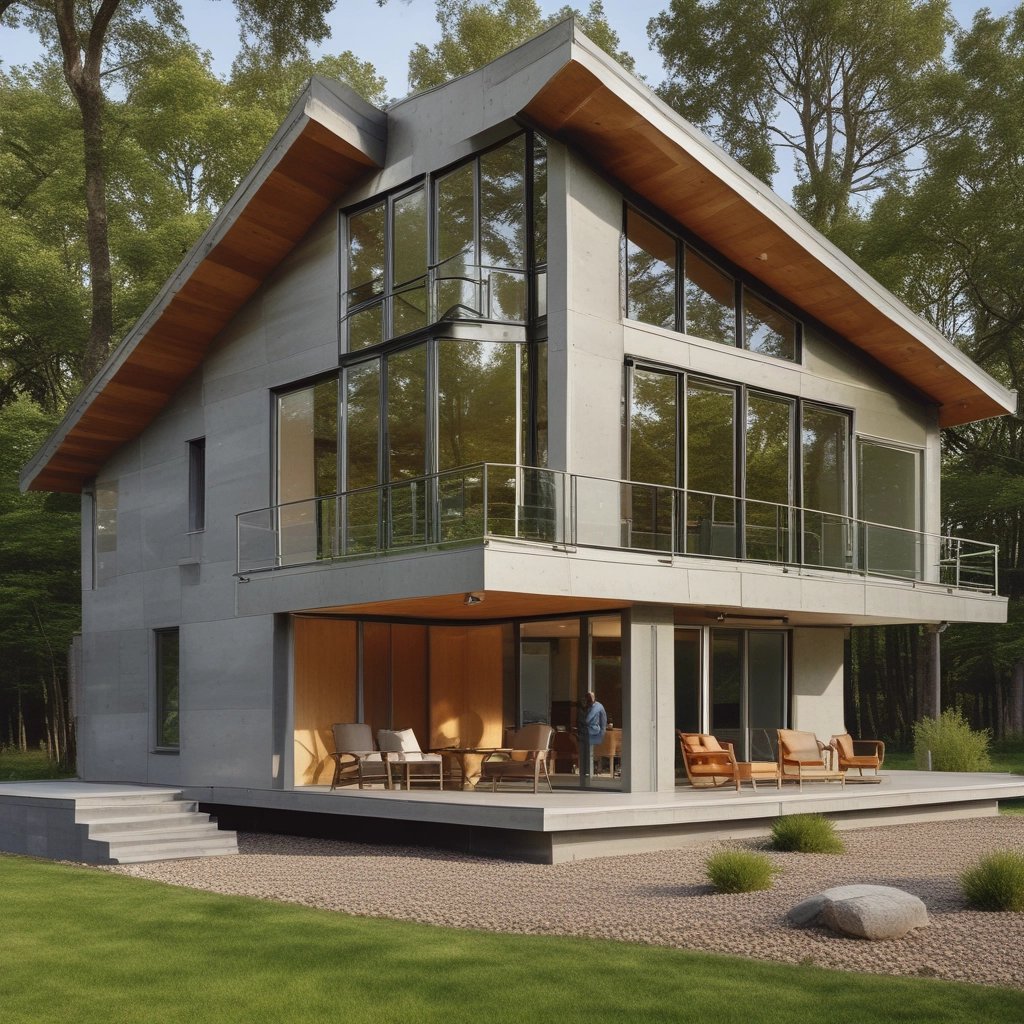
Prefab homes, short for prefabricated homes, are dwellings that are built using factory-assembled components designed for quick construction and installation on-site. These homes can be categorized into three significant types: modular, panelized, and manufactured homes. Modular homes consist of multiple pre-constructed sections that are assembled on permanent foundations, allowing for a wide array of design choices. Panelized homes utilize pre-cut wall panels and roof systems, which are delivered to the building site and erected, providing swift assembly with less waste involved. Manufactured homes, often referred to as mobile homes, are fully constructed in the factory and transported as a single unit to their designated location, typically set up on a temporary foundation.
The growing popularity of prefab homes can be attributed to several benefits, notably their energy efficiency. Compared to traditional construction methods, prefab homes often demonstrate superior insulation and reduced air leakage, leading to lower energy consumption. Advanced building techniques and the utilization of innovative materials significantly enhance their ability to maintain consistent indoor temperatures. With options for high-performance windows, energy-efficient HVAC systems, and sustainable building materials, prefab homes create a sustainable living environment that minimizes utilities costs.
As homebuyers increasingly seek eco-friendly options, prefab homes stand out as a viable solution. They are generally designed with energy savings in mind, promoting a reduction in carbon footprints. Furthermore, their efficient construction processes also lead to minimized environmental impacts during the building phase. By financing and investing in smart designs and effective insulation, homeowners can optimize their prefab residences even further, achieving substantial energy savings. This foundational understanding of prefab homes highlights their growing relevance in today’s construction landscape, beckoning attention to their potential for energy-efficient living.
Insulation: The First Line of Defense
Insulation plays a pivotal role in energy efficiency, particularly for prefab homes. As the first line of defense against temperature fluctuations, it significantly minimizes energy loss, enhancing the overall comfort of living spaces. Investing in adequate insulation is essential because it can help reduce heating and cooling expenses while promoting sustainability by lowering energy consumption.
There are several types of insulation materials suitable for prefab construction. Common options include fiberglass, foam board, spray foam, and cellulose. Each of these materials has unique properties that cater to different needs and challenges. For instance, fiberglass batts are often used for wall cavities, offering a good balance of cost and performance. Spray foam insulation, although more expensive, provides an air-tight seal that can improve energy efficiency dramatically. Cellulose, being made from recycled paper, presents an eco-friendly alternative with excellent thermal performance. Selecting the appropriate insulation material is crucial, as it directly impacts the prefab home’s energy retention capabilities.
Evaluating existing insulation is a vital step to ensure that a prefab home is performing optimally. Homeowners should inspect areas where insulation is commonly lacking or degraded, such as attics, basements, and crawl spaces. Thermal imaging technology can be a valuable tool for identifying problem areas. In instances where insulation is outdated or insufficient, retrofitting becomes necessary. Improving insulation in critical areas, particularly walls, roofs, and floors, can significantly enhance energy efficiency. Techniques such as adding insulation to these specific areas or upgrading to higher R-value materials can provide substantial benefits. Overall, focusing on insulation is an effective strategy for maximizing energy conservation in prefab homes.
Choosing Energy-Efficient Windows and Doors
When it comes to enhancing the energy efficiency of your prefab home, selecting the appropriate windows and doors is paramount. These components play a critical role in overall insulation and energy consumption. One of the key indicators in choosing high-performance windows and doors is their rating, such as the Energy Star certification. This program tests and certifies products that meet specific standards for energy efficiency. By opting for Energy Star-rated windows and doors, homeowners can significantly reduce utility costs and improve their home’s comfort level.
In terms of window technology, double or triple-glazed windows are highly recommended. These types of windows have multiple layers of glass with gas fills in between, which serve as effective barriers to heat transfer. This design minimizes heat loss in the winter and reduces heat gain during the summer, therefore enhancing the energy performance of the home. Furthermore, the choice of frames and seals is equally important; materials such as vinyl or wood composite provide better insulation compared to standard aluminum frames, which are more prone to thermal bridging.
Placement of windows and doors can also impact the energy efficiency of a prefab home. Strategically positioning windows to face south can maximize natural light and warmth during the day, which reduces reliance on artificial lighting and heating. Additionally, appropriate coverings, such as shades or blinds, can help to control heat gain and loss, making it easier to maintain a comfortable indoor climate. Using these elements tactically not only enhances comfort but also contributes to the overall sustainability of your prefab home.
Utilizing Renewable Energy Sources
In the pursuit of energy independence and cost savings, incorporating renewable energy sources into your prefab home is a strategic choice. The most prevalent options include solar panels, wind turbines, and geothermal systems. Each of these energy solutions harnesses natural resources to generate electricity or provide heating, resulting in reduced utility bills and a lower environmental impact.
When evaluating the appropriate renewable energy system for your prefab home, it is essential to assess your household's energy needs accurately. Begin by analyzing your current energy consumption patterns, which will inform the scale and type of system you require. For instance, if solar energy is your focus, consider the average number of sun hours your location receives to estimate the solar panel output. A similar analysis can be applied when considering wind energy, as wind speed and frequency of gusts significantly inform turbine efficiency.
Financial incentives can enhance the feasibility of installing these renewable energy systems. Many governments and local agencies offer tax credits, rebates, or subsidies to offset the initial investment in renewable technologies. It is advisable to research such programs and eligibility criteria in your area, as these can significantly reduce overall costs and improve return on investment.
Integrating renewable energy systems into your existing electrical setup can seem daunting, but it is manageable with proper planning. Employing a professional installer with expertise in the integration of renewable systems will ensure compatibility and efficiency. Moreover, consider using smart energy management systems that can optimize the energy generated, enhancing overall consumption efficiency. This alignment not only maximizes your energy savings but also contributes to a sustainable living environment.
Smart Home Technology for Energy Management
Smart home technology has revolutionized the way homeowners monitor and manage their energy consumption. By integrating gadgets such as smart thermostats, energy monitors, and automated systems for lighting and appliances, residents can significantly enhance the efficiency of their prefab homes. These technological advancements not only promote energy-saving practices but also ensure a more comfortable living environment.
One of the standout innovations in energy management is the smart thermostat. Unlike traditional thermostats, smart thermostats utilize algorithms and learning capabilities to adjust heating and cooling settings based on the homeowner’s habits and preferences. This dynamic adjustment helps optimize energy usage, thereby reducing unnecessary energy expenditure. For instance, many smart thermostats can be programmed to lower the temperature when the house is unoccupied, which contributes to lower energy bills over time.
In addition to smart thermostats, energy monitors play a crucial role in providing real-time feedback on energy usage. These devices track the energy consumption of various appliances and highlight areas where efficiency can be improved. Homeowners can identify energy-guzzling items that may go unnoticed otherwise, thus allowing them to make more informed decisions on usage patterns. Energy monitors not only encourage eco-friendly practices but also promote significant savings on utility costs.
Further enhancing energy management are automated systems for lighting and appliances. Smart lighting systems enable homeowners to control when and how lights are used, often integrating sensors that adjust brightness based on occupancy and natural light levels. Automated appliances can also be scheduled to operate during off-peak hours, taking advantage of lower energy rates. By leveraging these technologies, homeowners actively reduce waste, optimize energy consumption, and foster a more sustainable lifestyle.
Water Conservation Strategies
Water conservation is a critical aspect of energy efficiency in prefab homes. By integrating innovative technologies and sustainable practices, homeowners can significantly reduce their water consumption, leading to lower utility bills and a decreased environmental footprint. One effective method is the installation of low-flow fixtures and appliances. These devices, which include low-flow showerheads, faucets, and dual-flush toilets, can drastically reduce water usage without sacrificing performance. According to studies, such fixtures can save households thousands of gallons of water annually, contributing to a more sustainable lifestyle.
Another strategy is the implementation of rainwater harvesting systems. These systems capture and store rainwater, which can then be used for non-potable applications such as irrigation, toilet flushing, and washing clothes. By effectively utilizing this free water resource, prefab homeowners can further minimize their reliance on municipal water supplies. Similarly, greywater recycling is an emerging technology that allows the reuse of gently used water from sinks, showers, and washing machines. This water can be redirected for landscape irrigation, conserving fresh water for essential household uses.
In addition to technological solutions, landscape design plays a vital role in promoting water conservation. Utilizing native plants, which are adapted to the local climate, can significantly lower irrigation needs. These plants typically require less water and maintenance than non-native species, thereby promoting biodiversity and resilience in the local ecosystem. Homeowners should consider xeriscaping, a landscaping method that employs drought-tolerant plants and efficient irrigation techniques, to further enhance water efficiency. By integrating these strategies into their prefab homes, residents can contribute to a holistic approach to sustainability while optimizing their resource consumption.
Maintenance Tips for Long-Term Energy Savings
Maintaining the energy efficiency of your prefab home requires ongoing attention and care. Regular maintenance not only preserves the integrity of your home but also contributes significantly to its long-term energy savings. One of the primary areas to focus on is the insulation. It is essential to routinely check the insulation in the walls, attic, and floors. Over time, insulation can settle or become damaged, leading to gaps that allow heat to escape in the winter and enter during the summer. Ensuring that your insulation remains intact enhances the home’s thermal performance, which is vital for minimizing energy consumption.
Another critical aspect of maintenance is the heating, ventilation, and air conditioning (HVAC) system. To ensure that your HVAC system operates efficiently, regular servicing is recommended, including changing filters, cleaning coils, and checking for leaks in ductwork. An efficiently functioning HVAC system can lead to significant reductions in energy usage while improving comfort levels. Homeowners should also be aware of the age of their HVAC units, as older systems can be less efficient and may require upgrades to achieve optimal energy performance.
Furthermore, conducting periodic energy audits is an effective way to identify areas where efficiency can be improved. An energy audit can help pinpoint energy leaks and provide recommendations on enhancements, such as sealing drafts or upgrading appliances to Energy Star-rated options. Staying informed about advancements in energy-saving technology is also crucial. Innovations such as smart thermostats, solar panels, and high-efficiency lighting can significantly impact energy efficiency. Embracing these technologies not only contributes to long-term cost savings but also enhances the overall energy performance of your prefab home.