
A Comprehensive Breakdown of All Costs Associated with a Prefab Home
12/8/20258 min read
Introduction to Prefab Homes
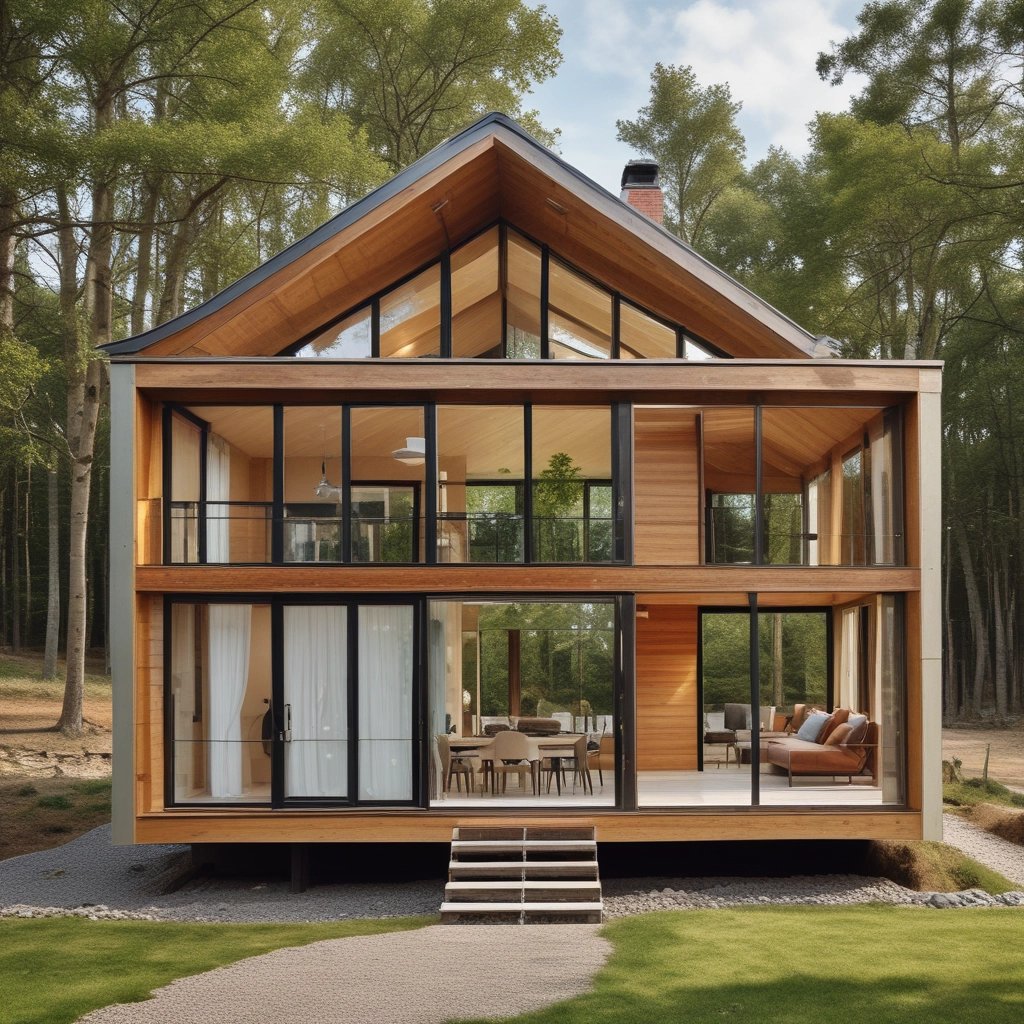
Prefab homes, also known as prefabricated or modular homes, represent a modern approach to home construction that is gaining significant traction in today’s housing market. Unlike traditional homes, which are built entirely on-site, prefab homes are constructed off-site in a factory setting. This method often involves assembling pre-manufactured components that are then transported to the building location for final assembly. The types of prefab homes vary widely, ranging from modular and panelized homes to manufactured and pre-cut homes, each offering unique features and design possibilities.
The growing popularity of prefab homes is largely attributed to their cost-effectiveness and efficiency. As buyers increasingly seek alternatives to conventional building methods, prefab options provide a streamlined construction process that can significantly reduce labor costs and time. In many cases, because the components are built in a controlled environment, they exhibit higher quality and fewer defects compared to standard homes. Additionally, the price predictability associated with prefab homes can be appealing for budget-conscious buyers, allowing them to better plan their financial investments.
Another significant factor contributing to the rise of prefab homes is the ability to customize design elements without incurring the typical costs associated with traditional construction. Prospective homeowners can choose from various layouts, finishes, and sizes, all while maintaining a budget that aligns with their personal financial goals. Moreover, the efficiency of the construction process not only expedites completion but also minimizes the disruption often associated with large construction projects. As the interest in sustainable and eco-friendly living grows, prefab homes stand as modern solutions that encapsulate economic and environmental considerations.
Initial Purchase Price
The initial purchase price of a prefab home is a crucial consideration for prospective buyers, as it encompasses various factors that can significantly influence overall costs. One of the primary determinants is the size of the prefab home. Typically, larger homes incur higher costs due to increased materials, labor, and time needed for production and assembly. Conversely, smaller models may be more budget-friendly, appealing to first-time homebuyers or those looking to downsize.
Additionally, the design and style of the prefab home also play a role in establishing its price. Custom-built homes tend to command higher prices, as they involve tailoring every aspect to the buyer's specifications. This includes floor plans, exterior finishes, and interior materials. On the other hand, factory-designed homes generally offer a set range of options, simplifying the design process and typically resulting in a lower purchase price.
Materials used in construction are another significant factor impacting the initial purchase price. Higher-quality materials generally lead to increased durability and long-term value but can also raise upfront costs. Buyers should consider their priorities; opting for premium materials may yield better results for energy efficiency and maintenance over time, potentially minimizing future expenses.
Lastly, local market conditions can heavily influence pricing structures for prefab homes. Regions with higher demand and lower supply often result in elevated costs. Buyers should investigate local market trends to ensure they are making an informed decision. Understanding all these elements will enable potential homeowners to make a better financial assessment when considering a prefab home, leading to an informed purchase that aligns with their budget and preferences.
Land and Site Preparation Costs
When considering the installation of a prefab home, one of the primary expenses involved is related to land acquisition and site preparation. The costs associated with acquiring a parcel of land can vary significantly based on geographic location, size, and local real estate market conditions. Prospective homeowners need to conduct thorough research to identify suitable plots that not only fit their budget but also adhere to zoning regulations and any building codes set by the local authorities.
Once a suitable piece of land is acquired, preparing the site for a prefab home installation becomes the next challenge. Site preparation costs can include clearing the land of vegetation, debris, and any existing structures that might impede construction. Additionally, grading the land is a critical step to ensure proper drainage and a stable foundation for the home. The cost of these services can fluctuate depending on the size of the lot, the density of vegetation, and the complexity of the grading required.
Furthermore, homeowners must consider infrastructure improvements that may be necessary to facilitate the installation of a prefab home. This can include the installation of essential utilities such as electricity, water, and sewage systems, as well as the construction of access roads if the lot is not easily accessible. Each of these improvements requires financial investment and can significantly impact the overall land and site preparation costs.
Location and terrain play significant roles in determining the final cost of preparing a site for a prefab home. Elevated areas, rocky terrains, or remote locations might necessitate additional excavation and transport costs, which can drive up expenses. On the other hand, flat, urban plots may incur fewer expenses. By understanding these variables, homeowners can better estimate the costs associated with land and site preparation and make informed decisions that align with their budget and preferences.
Delivery and Assembly Expenses
When purchasing a prefab home, understanding the delivery and assembly expenses is crucial, as these costs can significantly impact the overall budget. Several variables influence the transportation and assembly costs of a prefab home, beginning with the distance from the manufacturing facility to the final site. The greater the distance, the higher the likely transportation fees. Typically, these fees are calculated based on mileage, with additional charges for special handling or permits required for long-distance transportation.
Another key factor affecting delivery costs is the transportation method employed. For instance, using a flatbed truck may incur different expenses compared to using a specialized vehicle designed for transporting modular homes. Buyers should confirm with their manufacturer about the method used and how it impacts overall delivery costs. Additionally, the weight and size of the prefab components can further influence transportation expenses, as larger units may require more specialized logistics.
Once the prefab components reach the site, assembly costs come into play. These expenses can vary widely depending on the complexity of the assembly process. Some prefab homes are designed for straightforward assembly that can be completed by a small crew in a short period. Others may require a more complicated setup, including the installation of multiple modules or structural connections, which can necessitate skilled labor and increased time on-site, thus elevating costs.
Moreover, potential hidden costs should also be carefully considered. For example, site preparation such as grading, landscaping, or utility connections can add unexpected expenses to the delivery and assembly budget. Therefore, thoroughly assessing all aspects related to delivery and assembly will ensure a more accurate understanding of the overall costs associated with acquiring a prefab home.
Permits and Legal Fees
When undertaking the purchase and installation of a prefab home, it is crucial to understand the permits and legal fees involved in the process. Building permits are essential documents issued by local authorities that authorize the construction of a prefab home on a specified property. These permits ensure that the structure complies with local building codes, zoning laws, and safety regulations. The costs associated with building permits can vary significantly depending on the location and size of the prefab home, as well as the complexity of the construction plans.
In addition to building permits, zoning approvals are another critical component of the permitting process. Zoning regulations dictate how land can be used and often influence the type of dwelling that can be constructed. Obtaining zoning approval may involve public hearings or meetings, and as such, associated fees can arise from these processes. It is advisable to consult with local zoning boards or municipal offices to fully understand the specific requirements and costs linked to zoning compliance for prefab homes.
Furthermore, inspections typically play a vital role in the prefab home approval process. Various inspections may be required at different stages of construction, ensuring adherence to safety and building standards. Each inspection may incur additional fees, which can accumulate throughout the project. It's crucial to account for these costs when budgeting for the overall legal expenses involved in purchasing a prefab home.
Regional variations can significantly impact the legal fees associated with obtaining the necessary permits for prefab homes. Different states and municipalities may have diverse regulatory frameworks, which can either increase or decrease the overall cost involved in compliance. Therefore, prospective buyers should conduct thorough research based on their location to ensure a comprehensive understanding of the various permits and legal prerequisites necessary for their prefab home project.
Financing Options and Associated Costs
The choice of financing is a crucial factor in the successful purchase of a prefab home. Various options exist, each with its advantages and drawbacks, which should be carefully evaluated against individual financial situations. Traditional mortgages are the most common route, often providing competitive interest rates and terms that can extend up to 30 years. However, securing a traditional mortgage for a prefab home can sometimes be complicated, especially if the home is classified as personal property rather than real estate. This classification can affect the terms and eligibility for the loan.
Another viable option is a land loan, useful for buyers who wish to purchase land in addition to a prefab home. These loans can cover the cost of acquiring land, which is often required before placing a prefab residence. While land loans can be beneficial, they may come with higher interest rates and larger down payment requirements. It is also essential to consider the associated costs, including closing costs and potential loan processing fees, which can add substantial expenses to the overall investment.
In some instances, personal loans provide an alternative financing route, allowing borrowers to use the funds for various needs, including down payments on a prefab home. While personal loans can yield quick access to cash, they typically possess higher interest rates compared to traditional mortgages, on top of shorter repayment terms, making them a less ideal long-term solution.
Budgeting for these associated costs is vital when planning for a prefab home purchase. Prospective buyers should account for down payments, interest rates, and any loan processing fees, ensuring they have a comprehensive understanding of their financial obligations. Ultimately, selecting the appropriate financing method plays a significant role in ensuring a smooth and successful transition to prefab homeownership.
Ongoing Maintenance and Utility Costs
Owning a prefab home entails not only the initial purchase cost but also ongoing expenses that play a critical role in the overall financial commitment of homeownership. Among these costs, maintenance and utility expenses are significant factors that require careful consideration. In the realm of prefab homes, quality construction and design can influence how frequently maintenance is needed, but regular upkeep is essential to preserve the property’s value and ensure habitability.
Maintenance costs typically include repairs, inspections, and routine service for essential systems such as heating, plumbing, and electrical work. Although prefab homes are often built with durable materials, certain components may require periodic replacement or repair. For example, roofs can develop leaks, HVAC systems may need servicing, and exterior work, such as painting or siding repairs, can arise. Homeowners should budget approximately 1% to 2% of their home's value annually for maintenance to cover these eventualities adequately.
Utility costs, which encompass electricity, water, gas, and waste disposal, can also vary significantly depending on the location and energy efficiency of the prefab home. Many modern prefab homes feature energy-efficient appliances and insulation that can reduce overall utility expenses compared to traditional homes. However, homeowners should conduct a thorough assessment of local utility rates and consumption patterns when estimating these costs. Additionally, property taxes and homeowners insurance form another layer of recurrent expenses. Both factors depend on the region and the assessed value of the property, and thus, it is crucial to factor them into the long-term budget.
Understanding these ongoing expenses is vital for potential buyers. Adequate planning and awareness about the financial implications of maintenance, utilities, property taxes, and insurance can significantly enhance the homeownership experience and promote a sound financial strategy for those considering investing in prefab housing.