
The Future of Prefab Housing: What's Next?
12/9/20257 min read
Introduction to Prefab Housing
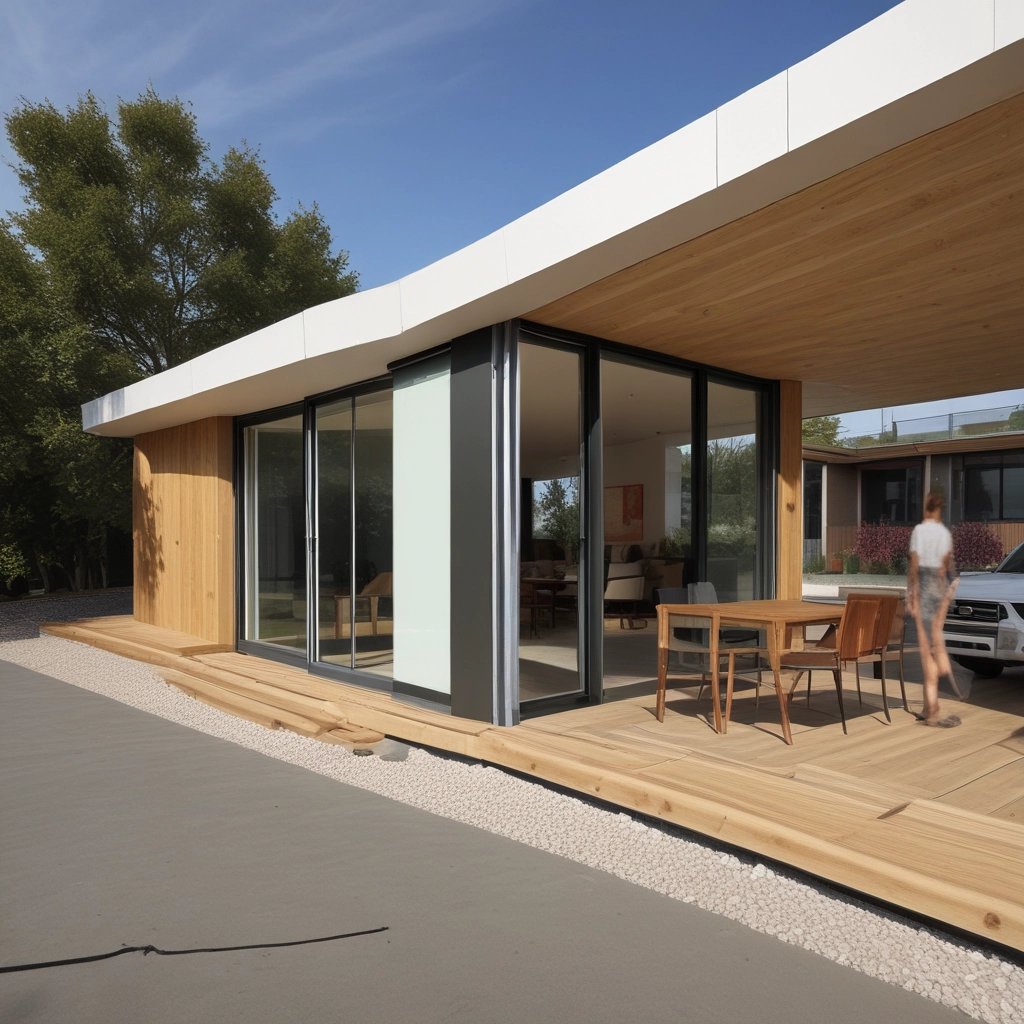
Prefab housing, often referred to as prefabricated housing, encompasses residential structures that are built off-site in a factory setting and then transported to their final location for assembly. This method of construction has its roots in the early 20th century, emerging as a response to the demand for efficient building solutions during that period. The concept garnered significant attention during World War II, when the need for quick and economical housing solutions became paramount. Over the decades, as technology advanced, prefabricated homes evolved, incorporating modern design elements and sustainable practices.
In recent years, prefab housing has seen a resurgence in popularity. Several factors have contributed to this trend, including the rising cost of traditional home construction, increased environmental concerns, and the urgent necessity for rapid housing development, particularly in urban areas experiencing population surges. The affordability of prefab homes often makes them an appealing option for first-time buyers and those seeking efficient living solutions without sacrificing quality. These homes are generally faster to build, allowing homeowners to move in sooner compared to conventional constructions, which can face delays due to various onsite challenges.
Sustainability plays a crucial role in the growing interest in prefab housing. Many manufacturers employ eco-friendly materials and energy-efficient designs, which not only minimize the environmental footprint of the construction process but also promise lower utility costs for homeowners. The combination of affordability, sustainability, and the adaptability of designs positions prefab homes as a viable solution to current housing challenges. As we explore the future of prefab housing, it is essential to consider ongoing innovations and developments that continue to shape the industry.
Innovative Technologies Shaping Prefab Housing
The prefab housing industry is undergoing a transformative period, driven by innovative technologies that significantly enhance construction efficiency, reduce costs, and improve overall quality. One of the most notable advancements is modular construction techniques, which involve the fabrication of building sections in a controlled factory environment before being transported to the final site for assembly. This method not only minimizes construction waste but also streamlines the building process, allowing for quicker completion times compared to traditional construction methods.
Furthermore, the rise of 3D printing technology has the potential to revolutionize the prefab housing sector. By creating structural components layer by layer, 3D printing allows for the production of highly customized homes with intricate designs that were previously costly and time-consuming to achieve. This technology not only accelerates the manufacturing process but also opens up possibilities for more sustainable construction practices, as it can utilize eco-friendly materials and reduce the carbon footprint associated with conventional building methods.
In addition to modular techniques and 3D printing, the incorporation of smart home technologies into prefab housing is becoming increasingly prevalent. These innovations encompass a range of features, such as energy-efficient systems, advanced security measures, and automation that optimizes home management. Smart technologies enhance the user experience by providing homeowners with greater control over their living environments, which can lead to increased energy conservation and improved overall quality of life. As the demand for sustainable and efficient living spaces continues to grow, the integration of these innovative technologies in prefab housing will play a crucial role in shaping the future of the industry.
Sustainability and Eco-Friendliness in Prefab Homes
As the global focus on environmental conservation intensifies, the prefab housing sector is increasingly embracing sustainability and eco-friendliness as foundational principles. Prefabricated homes offer compelling advantages in their construction and operational efficiency, contributing significantly to reducing carbon footprints. One of the most notable aspects of sustainable prefab housing is the incorporation of eco-friendly materials. Manufacturers are now exploring sustainable resources such as bamboo, reclaimed wood, and recycled steel, which not only minimize environmental impact but also enhance the aesthetic appeal of the homes.
Another critical factor contributing to the eco-friendliness of prefab homes is their energy-efficient designs. Modern buildings can leverage advanced technologies such as solar panels, green roofs, and high-performance insulation to optimize energy consumption. These features enable homes to maintain comfortable indoor temperatures while substantially lowering utility bills, making them economically viable as well as environmentally sound. Furthermore, the modular construction process typical of prefab homes leads to less waste since materials are often produced in controlled factory settings where excess is minimized.
Several pioneering companies are leading the way in incorporating sustainability into their prefab housing designs. For example, brands like Blu Homes and LivingHomes are at the forefront, offering models that prioritize energy efficiency and utilize renewable energy sources. These companies are not only revolutionizing the way homes are built but are also advocating for a shift in public perception towards greener living. Through innovation and responsible practices, they exemplify how the prefab housing industry can align with ecological sustainability. As the movement towards environmentally friendly living continues to gain momentum, prefab homes are well-positioned to play a pivotal role in shaping a greener future.
Market Trends and Consumer Preferences
The market for prefab housing has witnessed significant shifts in recent years, driven largely by evolving consumer preferences and demographic trends. One notable trend is the increasing interest in affordable housing solutions, particularly among younger generations such as millennials. As this demographic faces challenges related to student debt, high living costs, and stagnant wages, many are seeking alternative housing options that provide financial relief without compromising quality. Prefabricated homes, which often offer lower costs compared to traditional construction methods, are emerging as a viable solution for this group.
In addition to affordability, sustainability is becoming a central concern for modern homebuyers. Increasing awareness of environmental issues has led many consumers to favor eco-friendly building practices, which are frequently associated with prefab construction. These homes can utilize sustainable materials and energy-efficient technologies, aligning with the values of eco-conscious buyers. The ability to customize and reduce waste during the manufacturing process further enhances the appeal of prefab housing, making it an attractive option for those aiming for a smaller carbon footprint.
Moreover, the impact of economic factors cannot be overlooked. Fluctuations in interest rates, the availability of financing, and rising construction costs are all influencing the broader housing market. As traditional home prices continue to escalate, more buyers are looking at prefab housing as a practical alternative. The current economic landscape underscores the urgency to provide innovative solutions that address both affordability and sustainability. As consumer demand shifts towards these elements, it will inevitably shape the direction of the prefab housing industry, leading to new partnerships, product developments, and enhanced marketing strategies aimed at attracting prospective buyers.
Challenges Facing the Prefab Housing Industry
Despite the numerous advantages of prefab housing, several challenges hinder its widespread adoption. One significant obstacle is the complex landscape of regulations and zoning laws that govern residential construction. Each locality often has distinct building codes and regulations that may not accommodate prefabricated homes without extensive modifications. This can lead to delays in project approvals and increased costs, discouraging both manufacturers and potential homeowners from pursuing prefab options.
Public perception also plays a crucial role in the challenges facing the prefab housing industry. Many individuals still associate prefab homes with negative connotations, such as low quality or temporary structures. Changing these misconceptions requires not only effective marketing strategies but also showcasing the durability, aesthetics, and energy efficiency of modern prefab designs. Engaging the community through education and outreach programs can be instrumental in fostering a more favorable view of prefab housing.
Moreover, financing options for prefab homes can be limited, as traditional lenders may be hesitant to approve loans for structures that deviate from conventional housing models. The lack of established valuation standards for prefab housing can complicate the mortgage process, further deterring potential buyers. To combat these issues, prefab manufacturers might collaborate with financial institutions to create specialized loan products that cater to the needs of buyers interested in modular homes.
Lastly, supply chain disruptions can pose challenges in terms of material availability and delivery timelines. The pandemic, for example, has highlighted the vulnerability of global supply chains. Companies in the prefab housing sector should explore local sourcing options and invest in technology to optimize their logistics processes, ultimately enhancing their resilience against future disruptions. By addressing these challenges head-on with strategic initiatives, the prefab housing industry can pave the way for broader acceptance and growth in the housing market.
The Role of Prefab Housing in Addressing Global Housing Shortages
The global housing crisis represents one of the most pressing social challenges of our time, with millions lacking access to safe and affordable homes. Prefabricated housing, or prefab housing, has emerged as a potential solution to address these housing shortages effectively. This construction method, which involves manufacturing components of homes off-site and assembling them on location, offers several advantages that can be harnessed to alleviate this pressing issue.
One notable advantage of prefab housing is its ability to be produced at scale. By utilizing streamlined manufacturing processes, prefab homes can be constructed more quickly than traditional building methods. This rapid deployment not only meets urgent housing needs but also reduces labor costs and material waste, contributing to a more sustainable approach to construction. For instance, innovative projects in countries like Sweden and Japan have demonstrated significant efficiency improvements, resulting in the swift provision of homes for displaced families and low-income individuals.
Case studies across various regions highlight the successful implementation of prefab housing as a strategic response to housing shortages. In California, numerous initiatives have been launched to develop affordable housing through prefabricated methods, showcasing the potential benefits of these structures in urban settings. Furthermore, European nations have embraced prefab housing to combat their own crisis, with models proving effective in providing quick, reliable solutions for refugees and low-income residents alike.
Moreover, the adaptability of prefab housing means it can easily respond to the evolving demands of different communities. By tailoring designs to local needs and environmental conditions, prefab homes can integrate seamlessly into their surroundings, thus fostering a sense of belonging and community.
As the demand for affordable housing continues to grow, the role of prefab housing will likely expand, presenting promising opportunities for addressing the global housing crisis effectively.
The Future Outlook and Predictions for Prefab Housing
The future of prefab housing appears increasingly promising, with a multitude of factors converging to create a favorable environment for growth in this sector. As experts project, the market for prefab homes is expected to expand significantly over the next decade, driven by rising construction costs, increased interest in sustainable living, and shifting societal attitudes towards homeownership.
One notable trend is the growing innovation in construction technologies that enhance the efficiency and quality of prefab housing. Advancements such as modular construction, 3D printing, and automated building processes are expected to streamline production, reduce waste, and lower costs. As these technologies mature, they will likely attract even more consumers to consider prefab options as viable alternatives to traditional building methods.
Furthermore, the societal shift towards sustainability cannot be overlooked. As climate change becomes an increasingly pressing concern, potential homeowners are gravitating towards energy-efficient and environmentally friendly housing. Prefab homes, with their potential for advanced insulation and energy-efficient designs, align well with these values. This indicates that market demand for prefab homes, which can often be built with sustainable materials and technologies, will likely rise significantly. Additionally, as urbanization continues to intensify, affordable housing solutions become essential. Prefab housing can fulfill this demand by providing cost-effective options that can be constructed quickly and efficiently.
In summary, the future outlook for prefab housing is bright, characterized by technological advancements, societal shifts towards sustainable living, and evolving housing preferences. As these trends continue to unfold, it is reasonable to predict that prefab homes will not only gain traction in the housing market but also transform the way people perceive and build their homes in the coming years. The next decade may well define a new era for prefab housing, making it an integral part of the global housing landscape.