
The Step-by-Step Process of Prefab Home Installation
12/12/20258 min read
Introduction to Prefab Homes
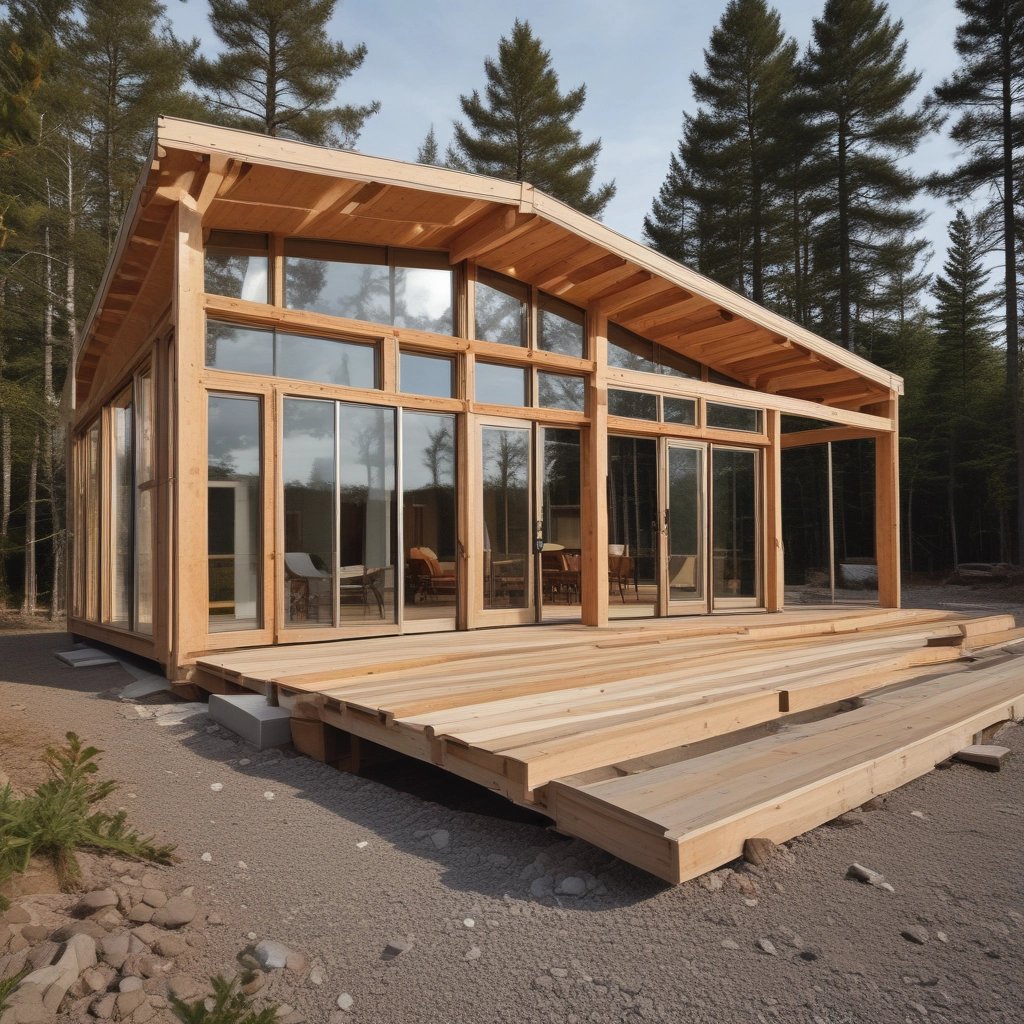
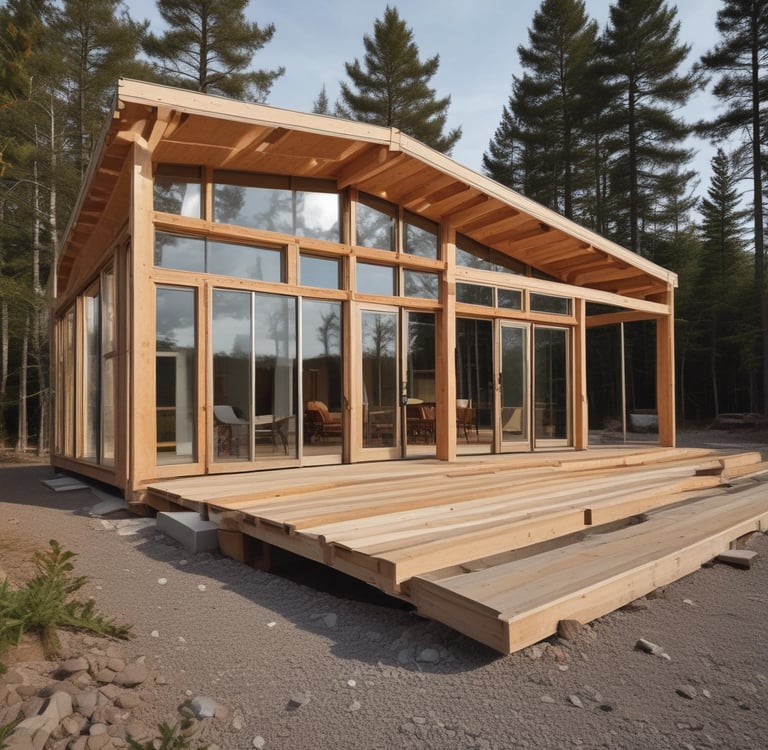
Prefab homes, or prefabricated homes, represent a significant evolution in the residential construction industry. These structures are manufactured off-site in controlled environments, using materials that are then transported to the final location for assembly. This method contrasts sharply with traditional construction, which typically involves on-site building from the ground up. Prefab homes come in several forms, including modular, panelized, and manufactured homes, each offering unique characteristics and advantages to accommodate diverse consumer preferences.
One of the most notable benefits of prefab homes is cost-effectiveness. The factory setting allows for streamlined processes and bulk purchasing of materials, significantly reducing overall costs when compared to conventional building methods. This budgeting advantage is particularly appealing to first-time homeowners or those looking to downsize. Additionally, prefab construction typically leads to fewer unexpected expenses during the building process due to the controlled nature of production.
Sustainability is another important aspect of prefab homes. The manufacturing process generates less waste since materials can be sourced and used efficiently. Moreover, many prefab builders incorporate energy-efficient designs and sustainable materials, appealing to environmentally conscious consumers. These homes can also be equipped with advanced technologies, such as solar panels and energy-efficient HVAC systems, enhancing their overall sustainability credentials.
Another notable advantage of prefab homes is the reduced construction time. Traditional building projects can be protracted due to various factors, including weather conditions and labor availability. Conversely, prefab homes are typically assembled much quicker, often within a few weeks. This speed allows homeowners to minimize the time spent in temporary accommodations and enjoy their new living spaces sooner.
In essence, prefab homes stand out for their innovative approach to residential construction, providing affordable, sustainable, and efficient solutions for modern living.
Planning and Preparation
The installation of a prefab home necessitates a series of prerequisite planning steps that are crucial for a smooth and successful process. First and foremost, securing appropriate land is of utmost importance. Potential homeowners must conduct thorough research to identify suitable plots that not only accommodate the dimensions of the prefab structure but also adhere to local regulations.
Once the land is secured, the next step is to obtain necessary permits. This often involves submitting plans to local authorities and ensuring compliance with building codes and safety standards. It is advisable to engage with professionals who are familiar with the permitting process, as navigating these requirements can be complex and time-consuming. Failure to secure the proper permits could lead to delays or even legal complications, which can impede the installation timeline.
In addition to securing land and permits, checking local zoning laws is an essential step that cannot be overlooked. Zoning regulations dictate what types of structures can be placed on a given plot, which can significantly impact the installation of your prefab home. Understanding these laws ensures that the chosen design aligns with the local community's regulations, preventing potential disputes.
Furthermore, site preparation is an integral aspect of the planning phase. The land must be adequately cleared and leveled, and a solid foundation is essential for the stability of the home. This often involves excavation and grading work to create a suitable base that can support the weight of the prefab structure. Proper foundation preparation not only enhances the structural integrity but also facilitates the longevity of the home.
In summary, effective planning and preparation are critical components of the prefab home installation process. By securing land, obtaining necessary permits, checking local zoning laws, and preparing the foundation, homeowners can pave the way for a seamless and successful installation of their new residence.
Delivery of Prefab Modules
The successful delivery of prefab modules is a critical step in the overall installation process. This phase involves a well-coordinated logistics effort, as these modules are manufactured off-site and transported to the designated location to form the structure of the home. Transportation methods can vary based on the size and design of the modules, but they commonly involve flatbed trucks, which are capable of accommodating the weight and dimensions of the prefab sections.
Prior to delivery, thorough planning is essential. The logistics team must assess the delivery route to ensure that it is suitable for transporting the oversized loads. Factors such as road conditions, height restrictions, and access points at the construction site need to be evaluated. Additionally, local regulations regarding oversized loads should be reviewed and permits secured when necessary.
Once the prefab modules are on the way, it is crucial to have a receiving team prepared at the site. This team usually consists of professionals experienced in handling modular construction components. Their role is to ensure that the modules are offloaded safely and positioned correctly on the foundation. Appropriate safety measures should be followed during the unloading process to prevent any accidents or damage. This includes using cranes or hoisting equipment, alongside a clear communication plan among team members.
Upon arrival, each module is inspected for any potential damage that may have occurred during transport. This evaluation helps in identifying any issues early on, facilitating timely repairs if necessary. Clear communication with the manufacturer is also essential at this stage to address any discrepancies. Overall, careful planning and safety protocols during the delivery of prefab modules set the stage for a successful installation process.
Assembling the Prefab Home
The assembly of a prefab home is a structured process that entails efficiently joining individual modules on a prepared foundation. This phase of the installation is critical, as it transforms the prefabricated components into a complete living structure. The process typically begins with preparing the site, where foundational elements are laid out to ensure a stable and level base for the modules. The interface between the modules and the foundation is essential, requiring precise alignment and secure fastening.
Crane equipment is often utilized to lift and position the prefab modules accurately. Proper handling of these heavy components is vital to avoid damage and ensure safety throughout the assembly process. Each module, manufactured in a controlled factory environment, is delivered to the site ready for assembly. Builders utilize various tools, such as levelers and torque wrenches, to ensure that each module is attached securely and in accordance with building codes.
The coordination between contractors, builders, and engineers is paramount during this stage. Effective communication ensures that the assembly is executed smoothly, minimizing potential delays. Coordination includes scheduling the arrival of materials and the availability of labor to facilitate a streamlined process. Time management is a key consideration since modular construction typically has a faster completion time compared to traditional builds.
Additionally, adjustments may be necessary during assembly to address any discrepancies that occur. Skilled builders must have the capability to adapt to such circumstances while maintaining the integrity of the structure. Once all modules are in place, the finishing touches, such as roofing and siding, are completed, which integrate the units into a cohesive home design. This structured yet flexible approach to assembly is crucial for the successful installation of prefab homes.
Utilities and Finishing Touches
Once the prefab home has been set up on the designated foundation, the next crucial step involves the installation of utilities, which ensures that the house is fully functional and livable. This process typically begins with connecting to local water, electricity, and sewage systems. Engaging a licensed plumber is essential for the water connection, which involves linking the home’s plumbing system to the municipal water supply. Subsequently, the installation of electrical wiring requires a certified electrician to establish a safe and compliant connection to the local grid. Each utility must be carefully tested to ensure proper functionality, with any necessary inspections carried out to meet local codes.
After the utilities have been successfully connected, attention turns to the interior and exterior finishing touches that transform the prefab house into a comfortable home. Insulation is a critical aspect of this process, as it plays a significant role in energy efficiency and climate control. Proper insulation, tailored to the specific climate of the home’s location, contributes to overall comfort levels by regulating temperatures and reducing energy costs.
Following insulation, drywall installation is another important step. Drywall not only serves as an interior barrier but also provides a surface for painting, which enhances the aesthetic appeal of the living spaces. Flooring options should then be considered; materials such as hardwood, laminate, or tile can be selected based on design preferences and durability requirements.
Finally, exterior finishing is paramount to the home’s curb appeal and lasting quality. Landscaping should not be overlooked, as it creates an inviting environment around the home. Planting trees, shrubs, and flowers, along with adding walkways or patios, can greatly enhance the property’s overall appearance. The combination of well-executed utility connections and thoughtful finishing touches ensures that a prefab home is not only functional but also a welcoming place to live.
Final Inspection and Move-in
Once the prefab home has been assembled and integrated into its designated plot, it is essential to conduct a final inspection. This step is crucial to ensure that the home adheres to all building codes and regulations, safeguarding both the homeowner's investment and their overall safety. During this inspection, qualified professionals examine various elements of the structure, including electrical systems, plumbing, insulation, and overall construction quality. These inspections are not merely formalities; they encompass a comprehensive assessment to confirm that the prefab home is not only livable but also sustainable in the long term.
Prospective homeowners should be actively involved in the final inspection process. It is advisable to compile a checklist of essential features to verify against the contract provided by the prefab home manufacturer. Focus areas include checking for any visible signs of damage, confirming that appliances are installed correctly, and ensuring that all systems function adequately. Elements such as windows and doors should operate smoothly while being free of defects. The inspection serves to validate that the home meets the agreed-upon specifications and adheres to local building codes, which is imperative for any future repairs or renovations.
After passing inspection, homeowners can begin focusing on the final touches that enhance functionality and comfort. Installation of fixtures such as lighting, cabinetry, and flooring can greatly affect the ambiance of the home. Homeowners can personalize their space by integrating smart technology, ensuring energy efficiency and modern conveniences. Thoughtful landscaping can also enhance the property’s curb appeal and provide outdoor functionality. Ultimately, the final inspection not only guarantees compliance with regulatory standards but also prepares the home for a seamless transition into a warm and inviting living environment.
Maintenance and Care for Your Prefab Home
Maintaining a prefab home is crucial for ensuring its longevity and functionality. Just like traditional homes, prefab structures require regular upkeep to remain in optimal condition. One of the first steps in maintaining your prefab home is to develop a routine maintenance schedule. This should include inspecting the home for any signs of wear and tear, such as cracks in the walls or roofing issues, and addressing these promptly to avoid more significant problems in the future.
Particular attention should be given to the materials used in prefab construction. Common materials include wood, metal, and synthetic elements, each necessitating different care approaches. For instance, wooden siding should be checked for signs of rot or insect damage, while metal surfaces may require treatment to prevent rust. Regular washing of these surfaces will help maintain their appearance and functionality. Furthermore, it is advisable to apply protective coatings or finishes according to the manufacturer's recommendations.
Energy efficiency should also be a primary focus when caring for your prefab home. Inspecting and maintaining insulation, whether it be in the walls, roof, or underfloors, can lead to significant energy savings. Ensure that windows and doors are properly sealed and in good condition, as air leaks can increase heating and cooling costs. Additionally, integrating energy-efficient appliances and LED lighting can further enhance energy performance.
Keep in mind that seasonal maintenance tasks such as gutter cleaning, HVAC servicing, and landscaping can improve not only the aesthetic appeal of your prefab home but also its overall efficiency and comfort. By following these maintenance guidelines and caring for the specific materials utilized in your structure, you can ensure your prefab home remains a durable and pleasant place for years to come.