
An Interview with a Prefab Homeowner: Embracing a Unique Lifestyle
12/14/20258 min read
Introduction to Prefab Homes
Prefab homes, short for prefabricated homes, are structures that are manufactured off-site in advance, typically in sections or modules, and then transported to the home site for assembly. This construction method has gained popularity due to its efficiency, speed of construction, and reduced waste, making it an attractive option for many modern homeowners. As urbanization continues to rise, the demand for affordable and sustainable living solutions has led to an increased interest in prefabricated housing.
One significant advantage of prefab homes is the potential for cost-effectiveness. Since these homes are manufactured in controlled environments, the construction process is streamlined, reducing labor costs and construction time. Additionally, the efficiency gained during the manufacturing phase often results in lower material costs, creating a more affordable option for homebuyers. Furthermore, many prefab homes embrace eco-friendly materials and energy-efficient designs, appealing to those conscious of their carbon footprint.
Another compelling aspect of prefabricated housing is the versatility it offers. Homeowners can choose from various designs, sizes, and layouts to suit their personal tastes and lifestyle needs. This flexibility allows for customization while adhering to modern architectural trends and standards. The growing availability of advanced building technologies also means that prefab homes can incorporate sustainable features such as renewable energy systems and green building materials, thus enhancing their attractiveness.
Moreover, the rising interest in minimalistic and efficient living arrangements aligns with the principles of prefab home design. Many individuals and families today seek to downsize or simplify their living conditions, making prefab homes a desirable option. In light of these factors, it becomes evident that prefabricated homes are not just a fleeting trend but rather a significant shift in the way we approach homeownership in the contemporary landscape.
Meet the Homeowner
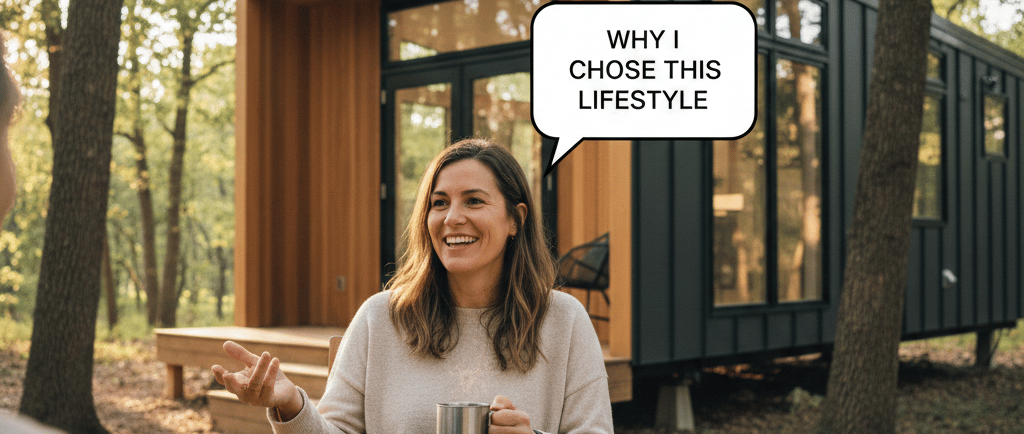
In the vibrant city of Portland, Oregon, we are introduced to Sarah Thompson, a 35-year-old graphic designer whose passion for minimalism and sustainability has significantly influenced her approach to living. Sarah has built a successful career, working with various companies to create compelling visual identities and branding strategies. Her artistic inclination extends beyond her profession, as she has cultivated a personal aesthetic that emphasizes simplicity and functionality.
Sarah’s journey into the world of prefab homes began with a growing recognition of the inadequacies of traditional housing. After years of living in conventional apartments, she became increasingly frustrated with limited space, high costs, and the environmental impact associated with conventional construction practices. This dissatisfaction prompted her to explore alternative housing options. The idea of a prefab home, with its streamlined design and eco-friendly production methods, resonated deeply with her values.
Motivated by a desire for a more sustainable lifestyle, Sarah plunged into research on prefab housing. Her findings highlighted the myriad benefits associated with prefab homes, such as reduced waste, energy efficiency, and the ability to customize a living space to fit her specific needs. Ultimately, she envisioned a home that not only aligned with her aesthetic goals but also reflected her commitment to environmental stewardship. This vision became a driving force behind her decision to invest in a prefabricated dwelling.
By sharing her experiences, Sarah hopes to inspire others to consider the potential of prefab homes as a viable housing solution. Her story is not just about a unique living space; it represents a broader movement towards sustainable and innovative home building, encouraging a shift in how we perceive the concept of home in today’s world.
Reasons for Choosing a Prefab Home
In recent years, the trend of opting for prefab homes has gained considerable momentum, compelling many homeowners to embrace this unique lifestyle. One of the most significant factors contributing to this choice is cost-effectiveness. Prefabricated homes typically require less investment compared to traditional constructions due to reduced labor costs and the streamlined production process. This affordability has made homeownership more accessible for many individuals and families who might otherwise struggle in a competitive real estate market.
Furthermore, the speed of construction is a vital reason for selecting a prefab home. The modular nature of these homes allows for quicker assembly, often resulting in reduced wait times for homeowners. While conventional building projects can face delays due to weather, labor shortages, or permits, prefab installations can often occur with minimal downtime, enabling families to move into their new homes sooner than they could with traditional building methods.
Sustainability practices also play a crucial role in the decision-making process. Many prefab manufacturers emphasize eco-friendly materials and energy-efficient designs, which align with the growing demand for sustainable living solutions. Consumers today are increasingly aware of their environmental footprint, and choosing a prefab home allows them to participate in greener living while still enjoying modern comforts. This aspect is especially appealing to environmentally-conscious buyers seeking to minimize their impact on the planet.
Additionally, customization options are another compelling reason for selecting a prefab lifestyle. Homeowners appreciate the flexibility to design spaces that fit their unique preferences and needs. Unlike standard homes, which often come with fixed plans, prefabricated designs can often be tailored to accommodate individual tastes, from layout to finishes. This ability to personalize makes the prefab choice an attractive option for those looking to create a truly one-of-a-kind dwelling.
The Process of Building a Prefab Home
Building a prefab home is a multifaceted journey that begins long before the actual construction takes place. The first step involves selecting a manufacturer, which is pivotal for ensuring quality and reliability. Researching various prefab home companies is essential; one should consider aspects such as their reputation, range of designs, and customer reviews. After narrowing down the options, a thorough assessment of their previous projects can offer invaluable insights into their craftsmanship and service quality.
Next comes the design phase, which is an exciting part of the process. Homeowners often have the opportunity to customize their designs, allowing for personal touch. Many manufacturers provide a selection of plans that can be tailored to meet the homeowner's specific needs, preferences, and budget. This customization might include selecting materials, layout configurations, and eco-friendly options to suit one’s lifestyle. It is also essential during this stage to ensure that the design complies with local building codes and regulations.
Once the plans are finalized, the actual onsite assembly of the prefab home begins. This step can be remarkably efficient compared to traditional construction methods. The prefabricated components are manufactured off-site and then transported to the designated location, where they are assembled. However, potential challenges can arise during this process, such as delays in delivery or unforeseen site conditions. Homeowners should be prepared to navigate uncertainties and remain flexible to adapt as needed.
Overall, building a prefab home is a unique experience that mixes innovation with personal expression. It allows future homeowners to partake in a streamlined construction method that can be both cost-effective and time-efficient. Understanding each stage of the process can demystify the journey and set realistic expectations for anyone considering this distinctive housing option.
Living in a Prefab Home: The Details
Living in a prefab home offers a distinctive experience that caters to those seeking efficiency and comfort within a well-thought-out design. One of the most notable aspects of prefab homes is their space efficiency. Unlike traditional residences, prefab models are meticulously designed to maximize utility while maintaining an aesthetically pleasing environment. Homeowners often discover that fewer square feet can still accommodate their lifestyle needs without sacrificing comfort or functionality.
Prefabricated homes are constructed with a focus on sustainability and modern living, with many designs incorporating open floor layouts that promote a sense of airiness and accessibility. Each living space is carefully planned to ensure that no area feels cramped or underutilized; instead, homeowners can enjoy a circular flow that enhances their daily routines. Furthermore, many prefab homes come equipped with smart storage solutions to minimize clutter, allowing residents to maintain an organized and serene living space.
Addressing misconceptions is an essential aspect of understanding life in a prefab home. Some may perceive these structures as less durable or lacking in quality compared to traditional homes. However, the reality is that modern prefab homes are built with the same, if not superior, materials and craftsmanship as any conventional property. They adhere to stringent building codes, ensuring safety and long-lasting performance. Moreover, the customization options available mean that homeowners can tailor their interiors to reflect personal tastes and needs, seamlessly integrating style and functionality.
Ultimately, living in a prefab home can be both fulfilling and practical, as it combines innovative design with a lifestyle that embraces simplicity, efficiency, and sustainability. This creates an inviting atmosphere that aligns harmoniously with the homeowner's everyday activities.
Community and Lifestyle Benefits
Living in a prefab home offers a unique opportunity to foster strong community ties and embrace a lifestyle that deeply aligns with sustainable living values. Many prefab homeowners often find themselves nestled in neighborhoods that prioritize collaboration and ecological responsibility. This choice of residence typically encourages a sense of belonging, where interactions with neighbors are frequent and meaningful. The design of these communities often allows for shared spaces, such as gardens or communal areas, which helps facilitate connections among residents.
Conducting interviews with prefab homeowners reveals that participation in community events often becomes commonplace. These gatherings, whether they are seasonal festivals, farmers' markets, or communal clean-up days, not only promote sustainability but also create a supportive network amongst residents. Homeowners speak highly of the friendships forged during these gatherings, emphasizing how these connections enhance their quality of life. In a prefab community, the ethos of shared responsibility extends beyond individual households, engendering a culture of mutual support that is deeply rooted in the principles of sustainable living.
Moreover, the profound sense of community can serve as a powerful motivator for individuals to adopt more sustainable practices. Many residents report being inspired by each other’s commitment to environmentally friendly choices, which reinforces their own efforts. This lifestyle, therefore, becomes not only about the physical structure of the home but also about the relationships that are cultivated within the community. The active engagement in sustainability initiatives, paired with the supportive network available to each resident, encapsulates the essence of what it means to live in a prefab home. The communal experiences and shared values significantly elevate the overall lifestyle, aligning perfectly with the homeowner's aspirations for a conscious and fulfilling life.
Advice for Potential Prefab Homeowners
For those contemplating the move to a prefab home, gaining a thorough understanding of the process is crucial. First and foremost, conducting comprehensive research should be a priority. This includes familiarizing oneself with various prefab models, styles, and manufacturers. Resources such as online forums, prefab home shows, and social media groups can provide invaluable insights from current homeowners.
When engaging with manufacturers, it is essential to formulate a list of thoughtful questions. Inquire about the materials used in construction, energy efficiency ratings, and the overall sustainability of the build. Additionally, prospective buyers should ask about customization options, as the unique appeal of prefab homes often lies in their ability to be tailored to individual preferences. Engaging with manufacturers about timelines, warranties, and post-purchase support can also be pivotal in making an informed decision.
Financial considerations stand as a significant factor in the journey to owning a prefab home. Potential homeowners should develop a realistic budget, taking into account not only the cost of the home itself but also potential land expenses, site preparation, utility connections, and ongoing maintenance. It's advisable to seek pre-approval for financing early on, as this can streamline the purchasing process and provide a clearer picture of what is feasible.
Finally, prioritizing design elements is paramount. Consider the lifestyle you wish to achieve with your prefab home—rooms should reflect the activities that will take place within them. Open floor plans may appeal to some, while others might prioritize additional private areas. By focusing on personal preferences and practical needs during the design phase, potential homeowners can ensure their new abode not only meets aesthetic desires but also serves functional purposes effectively. As you embark on this journey, equipping yourself with knowledge and clarity can transform your aspiration of a prefab lifestyle into a reality.