
Prefab Homes: A Viable Solution for Affordable Housing
12/16/20257 min read
Introduction to Prefab Homes
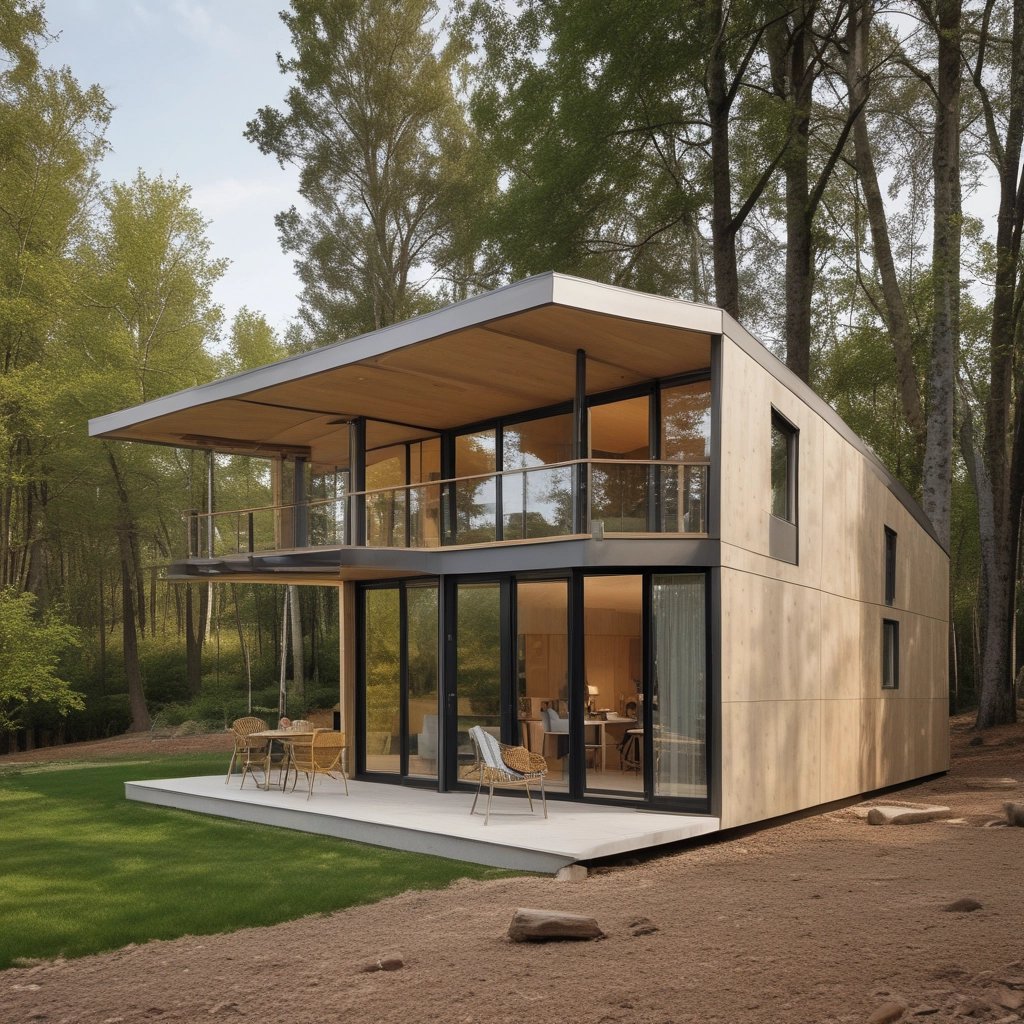
Prefab homes, short for prefabricated homes, represent a revolutionary approach to residential construction that seeks to address the growing demand for affordable housing. These structures are built off-site in a factory setting and then transported to the desired location for assembly. This method significantly reduces construction time and costs while maintaining a consistent level of quality. Prefab homes can be categorized into several types, including modular homes, panelized homes, and mobile homes, each offering distinct features and benefits.
Modular homes consist of individual sections, or modules, that are constructed in a factory and then assembled on-site. These homes are designed to adhere to local building codes and can be customized to meet specific preferences. They are often indistinguishable from traditional stick-built homes and can be personalized in various styles and layouts. Panelized homes, on the other hand, involve the factory construction of large panels that include walls, floors, and roofs. These panels are then transported and assembled at the building site, offering a faster build time compared to conventional methods.
Mobile homes, which are also a form of prefab housing, are built on a permanent chassis and can be relocated as needed. While they historically faced stigma, recent advancements in design and construction have led to improved aesthetics and functionality. As an increasing number of individuals and families seek more affordable living options, prefab housing has gained notable attention for its potential to alleviate housing shortages and provide sustainable, economical choices. In the face of the ongoing affordable housing crisis, the significance of prefab homes continues to grow, making them an increasingly viable alternative to traditional housing models.
The Affordable Housing Crisis
The issue of affordable housing has reached a critical juncture worldwide, with a growing number of people unable to secure adequate living conditions due to skyrocketing housing costs. According to recent reports, nearly 1.6 billion individuals currently live in inadequate housing, demonstrating the urgent need for sustainable and affordable solutions. The United Nations has highlighted that, by 2030, an estimated 3 billion people will require access to adequate housing, further emphasizing the crisis at hand.
In the United States, for instance, the National Low Income Housing Coalition reports that there are just 37 affordable and available rental homes for every 100 extremely low-income households. This disparity continues to widen, particularly in urban areas where housing prices have surged due to demand and gentrification. Similarly, numerous countries across Europe and Asia are grappling with escalating housing expenses, pushing many residents into precarious living situations. Statistics indicate that approximately 40% of the average household income is now allocated to housing in some metropolitan cities, significantly impacting the financial stability of families.
The growing gap between income levels and housing costs illustrates a dire situation where standard wage increases fail to keep pace with the rapid rise in property values. The impact is felt most severely by low to moderate-income families, who struggle to find suitable affordable housing options. As traditional methods of homebuilding prove insufficient, especially in rapidly urbanizing regions, alternative housing solutions, like prefab homes, are becoming pivotal. These innovative structures offer a cost-effective and time-efficient method of construction, presenting a viable pathway to alleviate some of the pressures associated with the current housing crisis. By exploring alternatives, we can begin to address the immense challenges posed by the lack of affordable housing worldwide.
How Prefab Homes Work
Prefab homes, short for prefabricated homes, represent a modern approach to residential construction by utilizing factory-based manufacturing. This method separates the housing construction process into distinct phases, beginning with the production of components off-site. By assembling various parts in a controlled environment, manufacturers can streamline construction and reduce waste. The primary materials used in prefab construction include wood, steel, and insulation, chosen for their durability and energy efficiency.
During the manufacturing process, each module or panel is built under strict quality control standards. This includes not only the structural elements but also the integration of electrical, plumbing, and HVAC systems. Once these components are completed, they are transported to the designated site, where construction crews assist in the assembly. This process typically occurs quickly, as the individual modules are designed to fit together seamlessly. In most cases, the time from the beginning of production to the occupancy of a prefab home can be significantly shorter than traditional home-building methods, often taking just a few months.
The assembly of prefab homes is remarkably efficient. Workers carefully combine the pre-constructed sections on-site, using cranes and other equipment to position the components accurately. All aspects of connectivity and installation are addressed, ensuring that utilities are functional and the home is ready for occupancy without undue delay. Post-assembly, the home undergoes necessary inspections and final touches, which can further streamline the transition into a new living space. The minimized construction time and reduced site disruption are notable advantages, affirming the viability of prefab homes as a sensible solution for affordable housing in today’s market.
Benefits of Prefab Homes for Affordability
Prefab homes have emerged as a significant solution for affordable housing, offering numerous advantages that contribute to their overall cost-effectiveness. One of the primary benefits of prefab homes lies in their lower construction costs. Unlike traditional building methods, prefab construction involves off-site manufacturing, which can substantially reduce expenses associated with raw materials. These homes are constructed in a controlled factory environment, ensuring efficient use of materials and minimizing waste, which can further lower the overall cost of building.
Additionally, prefab homes typically incur reduced labor expenses compared to conventional homes. Since a majority of the construction takes place in a factory setting, skilled labor is more efficiently utilized, and labor costs are often minimized. This streamlined approach allows for significant savings, making prefab homes a more affordable housing option. The assembly process is quicker and requires less time on-site, which also minimizes costs related to labor and supervision.
Another notable advantage is the shorter build times associated with prefab homes. The construction processes are designed for efficiency, allowing these homes to be built faster than traditional houses. A decrease in the timeline directly correlates to savings on labor and overhead costs. Furthermore, this rapid construction can be particularly advantageous in regions with significant housing shortages, as it enables quicker occupancy for families in need.
Moreover, prefab homes offer customization options that can accommodate various budgetary constraints. Homebuyers have the flexibility to select designs, materials, and layouts that fit their financial considerations while still maintaining quality and aesthetics. This capability allows individuals and families to craft a home that reflects their personal style without overspending. Overall, the affordability of prefab homes is a result of a combination of lower costs, reduced labor expenses, shorter build times, and the potential for tailored solutions.
Sustainability and Energy Efficiency
Prefab homes represent a progressive step towards sustainable living and energy efficiency in the housing sector. The design and construction of these homes frequently utilize eco-friendly materials, which not only reduce the overall environmental footprint but also enhance their energy performance. By incorporating recycled or renewable materials, prefab homes reduce reliance on traditional building resources, mitigating the impacts associated with resource extraction and processing.
One significant aspect of sustainability in prefab homes is the use of energy-efficient building techniques. For example, these homes often feature superior insulation, which plays a crucial role in minimizing heat loss during winter and heat gain in summer. This effective thermal management translates to reduced energy consumption for heating and cooling, ultimately leading to lower utility bills for homeowners. Additionally, many prefab designs incorporate energy-efficient windows and doors, which can further enhance thermal performance and help maintain comfortable indoor temperatures.
Another important consideration in the realm of sustainability is the implementation of renewable energy systems. Many prefab homes are constructed with the capability to integrate solar panels or other renewable energy technologies. By harnessing natural energy sources, homeowners can reduce their dependence on fossil fuels, significantly decreasing their carbon footprint. Additionally, the modular nature of prefab construction allows for greater flexibility when it comes to implementing these energy-efficient solutions.
The environmental benefits of modular construction extend beyond the materials and systems used in the home itself. Prefab homes are typically built in controlled factory environments, which minimizes waste through precision manufacturing processes. This approach not only conserves resources but also reduces the overall impact of construction on the surrounding ecosystem. Overall, sustainable design principles are inherently woven into the framework of prefab homes, making them a viable solution for environmentally-conscious consumers seeking affordable housing.
Challenges and Considerations
As the prefab housing industry continues to attract attention as a solution for affordable housing, it is crucial to identify the challenges it faces. One of the most significant obstacles comes from zoning laws, which can vary markedly from one locality to another. Many communities have restrictive zoning regulations that may limit the placement and type of prefab homes allowed. These laws may necessitate extensive research by prospective buyers to ensure compliance, which can complicate the purchasing process.
In addition to zoning challenges, financing issues also represent a considerable hurdle for potential homeowners interested in prefab dwellings. Traditional mortgage lenders often view these homes with skepticism, leading to financing difficulties. Banks may require higher down payments or may be less willing to approve loans for prefab homes compared to site-built houses. This situation creates a pressing need for accessible financing options that are specifically designed for homes constructed off-site.
Public perception further complicates the landscape for prefab homes. Despite advances in design and construction technology, many potential buyers still associate these homes with low-quality materials or temporary structures. Addressing this misconception is essential for the industry to gain wider acceptance. Education surrounding modern prefab construction quality, durability, and design can help mitigate this unwanted bias.
For potential buyers considering a prefab home, it is essential to weigh these challenges thoughtfully. Engaging with local zoning authorities, exploring diverse financing methods, and understanding the market perception of prefab homes will provide a clearer picture of what to expect. By addressing these considerations, individuals can make informed decisions that align with their needs and aspirations for affordable housing.
Future of Prefab Homes in Affordable Housing
The future of prefab homes in the context of affordable housing appears to be promising, facilitated by an increasing recognition of the need for cost-effective, efficient, and sustainable housing solutions. Current trends indicate a rising consumer demand for housing alternatives that prioritize affordability without compromising quality. Prefabricated structures, known for their faster construction times, reduced waste, and lower overall costs, are well-positioned to address the pressing issue of housing shortages, particularly in urban areas where demand continues to outstrip supply.
Innovations in the prefab housing sector are also contributing to its viability as a solution for affordable living. Advances in building materials, manufacturing processes, and technology are enhancing the efficiency and appeal of prefab units. For instance, the integration of smart home technology and energy-efficient systems within prefab homes is making these housing solutions more attractive to environmentally conscious consumers and investors alike. These enhancements not only lower energy costs for residents but also contribute to the broader goal of sustainable development in urban environments.
Moreover, the role of policymakers cannot be understated in fostering the growth of prefab homes as an effective solution for affordable housing. Effective policies aimed at streamlining zoning regulations, providing financial incentives, and supporting research and development can significantly bolster the acceptance and implementation of prefab housing projects. Communities can also play an essential role by advocating for the inclusion of prefab options in local housing plans, ensuring that a diverse range of affordable housing solutions is available to meet the needs of varying populations.
As we navigate the complex challenges of housing shortages, the future of prefab homes promises to be instrumental in creating scalable, affordable housing solutions that are responsive to contemporary needs and societal evolving standards.