
The Ultimate Guide to Buying Your First Prefab Home
12/26/20258 min read
Understanding Prefab Homes: What Are They?
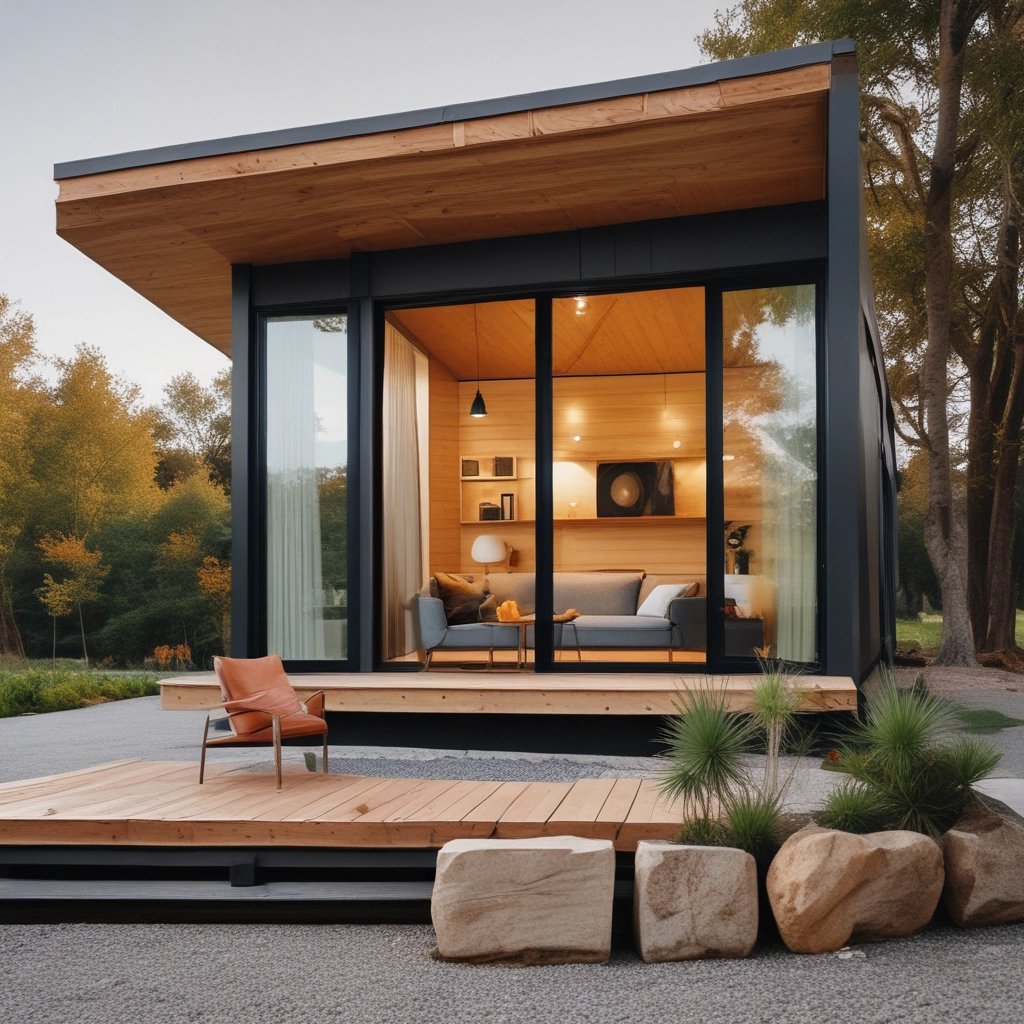
Prefab homes, short for prefabricated homes, are a type of dwelling that is constructed using components manufactured off-site before being transported and assembled at the final location. This construction approach can lead to significant time and cost savings compared to traditional home building methods, as many of the pieces are made in controlled factory environments.
There are several types of prefab homes, each varying in design and construction process. Modular homes are built in sections or modules, which are then transported to the site for assembly. Panelized homes involve pre-cut panels that form the walls and roof of the house, allowing flexibility in design and easier on-site assembly. Manufactured homes, often referred to as mobile homes, are built entirely in a factory and then installed on a permanent or temporary foundation. Each type of prefab home has unique advantages and specifications, catering to different homeowner preferences.
One of the most significant benefits of prefab homes is their cost efficiency. By utilizing factory-produced materials and eliminating many weather-related delays common in traditional construction, these homes can often be sold at a lower price point. Additionally, prefab homes often support environmentally friendly practices through the use of sustainable materials and energy-efficient designs, which contribute to reduced energy costs for residents over time. Moreover, the build times for prefab homes are generally shorter, allowing homeowners to move in sooner than with traditionally built houses.
Ultimately, when comparing prefab homes to traditional homes, it is evident that prefab options offer distinctive advantages, particularly for those prioritizing speed, cost, and sustainability in their home-buying journey.
Benefits of Buying a Prefab Home
Purchasing a prefabricated home comes with a range of advantages that make it an appealing option for first-time buyers. One of the most significant benefits is the cost-effectiveness associated with prefab homes. Typically, they can be constructed for a fraction of the price of traditional housing, making them more accessible for individuals or families looking to own their first home. The streamlined manufacturing process reduces waste and labor costs, ultimately leading to lower prices for consumers.
Additionally, prefab homes often prioritize sustainability, attracting environmentally-conscious buyers. Many manufacturers use eco-friendly materials and practices, ensuring that the impact on the environment is minimized. This commitment to sustainable building is further enhanced by the energy efficiency characteristics that are frequently integrated into these homes, leading to reduced utility bills and a smaller carbon footprint.
Customization is another key advantage of prefab homes. While some may think that prefabricated structures are limited in design options, many manufacturers offer extensive customization opportunities. Buyers can choose from various floor plans, architectural styles, and finishes, allowing them to tailor their new home to their personal aesthetic and functional needs.
Moreover, the construction timeline for prefab homes is significantly shorter than that of traditional homes. Since much of the building occurs in a factory setting, weather delays and other unforeseen complications that can prolong on-site construction are minimized. This efficiency allows new homeowners to move into their residence sooner, thereby expediting the process of establishing a new life in their chosen community.
Real-life testimonials from satisfied customers highlight these benefits. Many have reported positive experiences with lower costs, quicker moves into their homes, and the joy of crafting a space that reflects their preferences. Overall, the various advantages of buying a prefab home make it a wise choice for those venturing into homeownership for the first time.
Key Factors to Consider Before Making a Purchase
Purchasing a prefab home can be an exciting yet daunting venture. It is essential to weigh several key factors before proceeding with your acquisition. First and foremost, the location you choose has a significant influence on your living experience. Consider proximity to essential services, such as schools, healthcare facilities, and shopping. Additionally, assess the environmental factors, such as weather patterns and natural surroundings, that may affect your lifestyle.
Next, familiarize yourself with local zoning laws, which dictate what can be built and where. Zoning regulations can affect your choice of prefab home models and designs. Understanding these restrictions early in the process can help you avoid potential pitfalls that may delay or even derail your purchase. Moreover, it is vital to ensure that the land you intend to purchase is suitable for the type of prefab home you envision. Conduct thorough research on land acquisition processes, including soil tests and topography, to ensure your chosen site aligns with your plans.
Financing options also play a crucial role in your decision-making process. Make sure to explore various funding avenues available for prefab homes, such as loans specifically designed for manufactured housing, which may have different criteria than conventional mortgages. It is advisable to seek pre-approval from lenders to gauge your budget accurately. Lastly, obtaining the necessary building permits is indispensable for adhering to local codes and regulations. Failure to secure these permits can lead to costly fines and interruptions in construction. In thorough research and careful planning, you will pave a smoother path towards your first prefab home purchase.
Choosing the Right Prefab Home Manufacturer
When considering the purchase of a prefab home, selecting the right manufacturer is a critical step that can significantly impact your overall satisfaction with the product and experience. Ideally, prospective buyers should focus on several key elements during their evaluation process.
First and foremost, assess the company’s reputation within the industry. Researching established prefab home manufacturers can reveal insights into their history and credibility. Look for companies that have been in the market for several years, as a strong track record often suggests reliability and quality.
Customer reviews serve as vital indicators of a manufacturer's performance and product satisfaction. Reading testimonials can provide a comprehensive perspective on other buyers' experiences, helping you understand the positives and potential drawbacks of their offerings. Pay attention to recurring themes in reviews and ensure that they align with your expectations for customer service and support.
Quality of materials used in construction is another fundamental aspect to consider. Engage in discussions with manufacturers regarding the sourcing of materials, the adherence to safety standards, and certifications. A quality prefab manufacturer should be transparent about their material choices and the benefits they provide, ensuring that your future home is durable and secure.
Additionally, review the warranty offerings associated with the homes. A robust warranty can offer peace of mind and protection against unforeseen repairs or issues arising post-purchase. A manufacturer that stands behind their product will typically provide material and workmanship warranties, so be proactive in understanding the terms offered.
Lastly, consider arranging a visit to factory sites. This can provide insight into the manufacturing process and the working conditions. Ask the right questions regarding production timelines, customization options, and customer service protocols. Pay attention to how staff respond to inquiries, as this can be an early indicator of the level of support you can expect throughout your home-buying journey.
Financing Your Prefab Home: What Are Your Options?
When considering the purchase of a prefab home, understanding the financing options available is crucial. Various pathways can lead you to the home of your dreams, each with its own set of requirements and benefits. Traditional mortgages are one of the most common methods for financing a prefab home. These involve securing a loan from a bank or credit union, often requiring a stable credit score and a down payment.
Special loans specifically designed for manufactured homes are also available. Institutions like the Federal Housing Administration (FHA) offer these loans, which accommodate the unique characteristics of prefab dwellings. They typically require lower down payments and come with more lenient credit criteria, making them an ideal choice for first-time buyers.
Government-backed loans, such as the USDA or VA loans, can also be effective for financing a prefab home. These options provide favorable terms, including low-interest rates and minimal down payments, catering especially to low-to-moderate-income buyers or veterans. Understanding the eligibility requirements for these programs can open doors to significant savings.
Another financing avenue is through the manufacturer of the prefab home. Many manufacturers offer in-house financing options, allowing buyers to work directly with them. This process often simplifies approval, as they have flexibility in their lending terms. Additionally, it may allow for better deals on the home itself.
Regardless of the financing option selected, it is crucial to get pre-approved for a loan. This not only clarifies your budget but also strengthens your position when negotiating with sellers. Familiarizing yourself with your financial situation will allow you to make sound decisions, ultimately guiding you toward the purchase of your first prefab home.
Navigating the Buying Process: A Step-by-Step Guide
The process of purchasing a prefab home can be complex, yet a structured approach can simplify it significantly. The first step involves conducting thorough research to educate yourself about various types of prefab homes available in the market. Understanding the distinctions between modular, manufactured, and panelized homes will help you make an informed choice tailored to your needs.
After identifying the appropriate type of prefab home, the next step is to select a reputable builder. Look for builders with positive reviews, solid warranties, and substantial experience in the field. It may also be beneficial to visit model homes to assess the quality and craftsmanship of the builder's offerings. This hands-on experience can be instrumental in making a confident decision.
Once a builder has been selected, you’ll need to choose a design. Prefab homes often come with a variety of customizable floor plans and designs. Your choice should reflect your lifestyle, budget, and family needs. Engaging in discussions with the builder's design team can reveal advantageous options you might not have considered.
Next is the negotiation stage, where discussions surrounding pricing commence. Be clear about your budget from the outset and don’t hesitate to negotiate costs. Understanding what is included in the quoted price, from materials to appliances, can help avoid unexpected expenses later.
Legal considerations are paramount in the buying process. Familiarize yourself with local zoning laws, building codes, and other legal requirements related to the construction of a prefab home. It’s prudent to consult a legal expert who specializes in real estate to ensure compliance and protect your interests.
Finally, as you approach the finish line, be prepared to finalize the contracts. Thoroughly review all contractual agreements to ensure all discussed terms are accurately reflected. Signing a contract is a significant commitment in the prefab home buying journey, so it is advisable to seek guidance from a legal professional to clarify any uncertainties.
After the Purchase: Moving In and Setting Up
After purchasing your first prefab home, the excitement of moving in is often coupled with the logistics of setting up your new living space. One of the initial steps is site preparation, which involves ensuring that the land is suitable for the home. This includes leveling the ground, addressing drainage issues, and complying with any zoning and building regulations. Proper site preparation is crucial for the long-term stability and safety of your prefab home.
Understanding utility connections is another essential aspect of moving into a prefab home. Utilities such as water, electricity, and sewage must be connected before you can officially move in. It is advisable to work closely with your local utility companies to facilitate these connections. This may involve obtaining permits, scheduling inspections, and ensuring that all installations are up to code, which is necessary for your home’s functionality.
Next, addressing landscaping needs can enhance the overall appeal of your new property. Consider the integration of gardens, walkways, and outdoor living spaces that align with your aesthetic preferences and functional needs. Incorporating native plants can also establish a sustainable environment, reducing the need for excessive watering and maintenance.
As you transition into your new home, interior design plays a pivotal role in creating a comfortable and personalized atmosphere. Begin by planning the layout of furniture and decor to maximize space and ensure ease of movement. Pay attention to color schemes, lighting, and storage solutions that reflect your lifestyle.
Finally, never underestimate the importance of after-sales support from your prefab home's manufacturer. Many companies offer warranties and customer service that can significantly assist you during the settling-in process. Familiarize yourself with these resources and do not hesitate to reach out for assistance or guidance as needed.