
5 Myths About Mobile Homes Debunked
12/29/20257 min read
Introduction to Mobile Homes
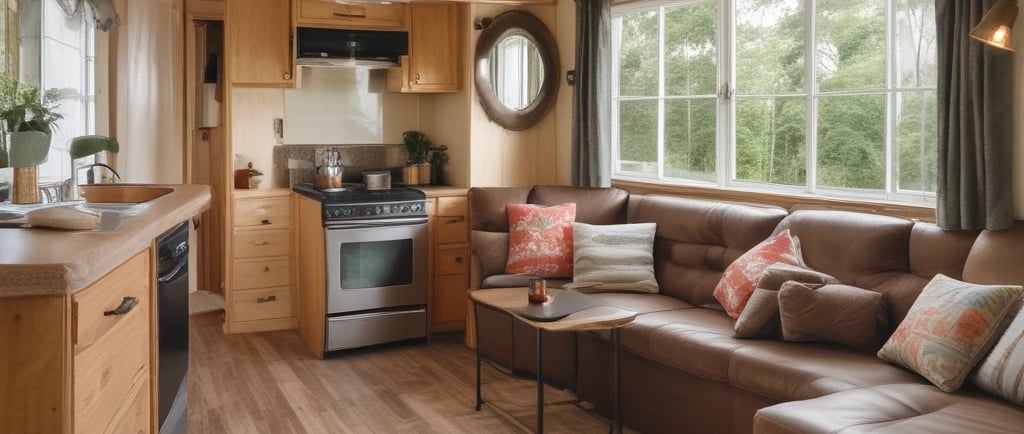
Mobile homes, also known as manufactured homes, are factory-built structures that are transported to their final locations. This method of construction allows for rapid production and often results in more affordable housing options compared to traditional homes. The origins of mobile homes can be traced back to the early 20th century, with the first models emerging as portable trailers that could be easily moved. Since then, the designs and manufacturing processes have evolved significantly, transitioning from simple travel trailers to modern mobile homes that often resemble conventional houses.
The evolution of mobile homes began in earnest during the post-World War II housing boom, as the demand for affordable housing surged. In the 1970s, the establishment of the U.S. Department of Housing and Urban Development (HUD) regulations began to standardize the quality and safety of manufactured homes. This led to improvements in insulation, structural integrity, and energy efficiency, making mobile homes a viable long-term housing solution.
Today, the popularity of mobile homes continues to grow, mainly due to their affordability and flexibility in location. They appeal to a diverse demographic, including first-time homebuyers, retirees seeking low-cost living, and families looking for budget-friendly housing. The manufactured home industry has adapted to changing needs over the decades, incorporating modern amenities and sustainable practices, which have further bolstered their credibility as a housing option.
Despite their rising acceptance, mobile homes are often surrounded by misconceptions that can deter potential buyers. In the following sections, we will tackle five prominent myths about mobile homes, providing clarity on the realities of this unique housing choice.
Myth 1: Mobile Homes Are Low-Quality and Unsafe
The perception that mobile homes are low-quality and unsafe is widespread, yet unfounded. It is essential to recognize that mobile homes, also known as manufactured homes, are built under strict regulations and standards established by the U.S. Department of Housing and Urban Development (HUD). Since the implementation of these standards in 1976, significant improvements have been made to the construction quality and safety features of mobile homes.
Manufactured homes must adhere to a rigorous set of guidelines that dictate everything from structural integrity to fire safety. These homes are constructed using high-quality materials that are often comparable to those used in traditional site-built homes. For instance, many modern mobile homes feature enhanced insulation, durable roofing materials, and solid frameworks that ensure long-lasting performance and safety.
Furthermore, advancements in technology have contributed to the safety and quality of mobile homes. Manufacturers are now utilizing cutting-edge construction techniques and materials, such as reinforced steel frames and energy-efficient windows, which improve the overall quality and durability of these homes. Additionally, many mobile homes come equipped with safety features like smoke detectors, carbon monoxide detectors, and fire-resistant materials, providing residents with peace of mind.
The myth that mobile homes are of inferior quality often arises from outdated perceptions rather than a reflection of current reality. Prospective buyers should consider that manufactured homes undergo extensive quality checks throughout the construction process, ensuring that they meet all safe living standards. By dispelling this myth, potential homeowners can appreciate the advantages and value that modern mobile homes offer, making them a viable and safe housing option for various lifestyles.
Myth 2: Mobile Homes Depreciate Like Cars
One of the most prevalent misconceptions regarding mobile homes is that they depreciate in value akin to automobiles. While it is true that many mobile homes lose value shortly after purchase, it is important to understand the complex factors influencing their long-term value. Unlike cars, which are primarily viewed as depreciating assets, mobile homes can appreciate under certain conditions.
The location of a mobile home plays a pivotal role in determining its market value. Properties situated in desirable areas, particularly those with robust job markets and quality amenities, tend to retain or even increase in value. Conversely, mobile homes located in less desirable regions may struggle to maintain their worth. Therefore, assessing the surrounding neighborhood and local market conditions is essential before forming an opinion about a mobile home's potential for value appreciation.
Additionally, the upkeep and maintenance of the mobile home itself significantly affect its value. A well-maintained home that is regularly updated can command a higher resale price than one neglected over time. Key improvements, such as renovations or energy-efficient upgrades, can substantially enhance a mobile home's value. Statistics indicate that certain mobile homes, especially those on owned lots, have appreciated in value, demonstrating that market dynamics can facilitate growth despite the myth of inevitable depreciation.
Market conditions also contribute to the valuation of mobile homes. During times of economic growth, the demand for affordable housing options like mobile homes can surge, leading to appreciation. Thus, while some mobile homes may initially depreciate, several external factors can influence their value trajectory, highlighting the importance of a comprehensive analysis rather than relying solely on common assumptions.
Myth 3: Mobile Homes Are Always on Wheels
One of the most persistent misconceptions surrounding mobile homes is the belief that they are always on wheels and can be easily relocated. While it is true that the term "mobile home" originates from the idea of being able to move these homes, the evolution of the housing industry has led to significant changes regarding how many of these structures are utilized today.
In reality, many mobile homes are placed on permanent foundations, which distinguishes them from their original concept of being easily transportable. These homes, often referred to as manufactured homes, are built to comply with strict federal standards and can provide the same level of durability and comfort as traditional homes. Once a manufactured home is installed on a permanent foundation, it closely resembles conventional housing in terms of living standards and is often treated as such by zoning laws and mortgage lenders.
The placement on a permanent foundation often involves additional structural enhancements, further securing the home against the elements and ensuring its stability. This transformation from a mobile unit to a stationary residence alters not only its functionality but also the perceptions held by the public regarding mobile homes. Thus, it is crucial to differentiate between homes that are designed to be mobile versus those that exist as fixed, permanent dwellings.
In essence, while the name and history may suggest mobility, many mobile homes are indeed situated permanently and are indistinguishable from site-built homes. Acknowledging this fact helps dispel the myth that all mobile homes are on wheels and promotes a better understanding of this housing option in contemporary society.
Addressing Income Stereotypes
Mobile homes have long been associated with the stereotype that they are solely for low-income individuals, a perception that is increasingly out of touch with reality. In fact, mobile homes are increasingly popular among a diverse range of residents, pointing to a more complex social and economic landscape. Many people choose mobile homes for their affordability, but this does not inherently mean they exist only within the confines of low-income household demographics.
Statistics indicate that mobile homes serve a variety of income levels, from retirees looking for economical living options to young professionals seeking affordable housing near urban areas. Additionally, mobile home parks and communities vary significantly in terms of amenities and price points, from basic setups catering to budget-conscious individuals to upscale environments that offer luxurious features and well-maintained surroundings. This variety reflects the growing acceptance of mobile homes as a viable living choice across different economic strata.
In recent years, there has been an increase in the number of upscale mobile home communities that cater specifically to middle and higher income households. These developments often boast contemporary designs, comprehensive amenities, and secure environments. They provide residents with the opportunity to enjoy a modern lifestyle without the financial burdens often experienced with traditional homeownership. Utilizing mobile homes as a housing solution can be a strategic choice for many individuals, combining quality of life with affordability.
The misconception that mobile homes are merely for low-income individuals overlooks the significant shifts in housing preferences and the demographic diversity of today’s mobile home residents. As societal attitudes evolve, the idea of mobile homes being only for one economic group is gradually fading.
Myth 5: Mobile Homes Offer No Financing Options
One prevalent misconception surrounding mobile homes is that they do not come with viable financing options. This myth can deter potential buyers from considering mobile homes as a feasible housing solution. However, the reality is that there are indeed numerous financing avenues available tailored for mobile home purchases.
Traditionally, mobile homes have been financed through a variety of loans. Many lenders now offer personal loans specifically designed for mobile homes, allowing buyers to spread the cost of their purchase over an extended period. These loans can be secured or unsecured, with rates and terms varying based on the borrower’s creditworthiness and the specifics of the home. Some lenders provide specific mortgage products that cater to mobile home buyers, which can be quite advantageous.
In addition to traditional loans, buyers should consider government-backed financing options. Programs such as those offered by the Federal Housing Administration (FHA) provide accessible that enable buyers to secure a loan for mobile homes, provided that certain criteria are met. These FHA loans can be beneficial to first-time homebuyers or those with limited credit history, as they often require lower down payments and have more relaxed lending standards.
Moreover, various grants and assistance programs are available at both state and federal levels designed to assist low-income individuals or families in purchasing mobile homes. These programs vary by location and eligibility but can significantly reduce the financial burden associated with buying a mobile home.
Ultimately, it is important for potential buyers to explore these financing options thoroughly. By dispelling the myth that mobile homes offer no financing opportunities, buyers can open themselves up to a wider range of housing solutions reflective of their financial capabilities and housing needs.
Conclusion and Future of Mobile Homes
As we explore the various myths surrounding mobile homes, it becomes clear that many of the misconceptions may hinder a broader understanding of this housing option. The diverse benefits presented throughout the discussion, including affordability and flexibility, showcase that mobile homes are not only a practical solution but also a viable alternative to traditional housing.
The stigma attached to mobile homes often stems from outdated perceptions and a lack of awareness regarding modern advancements in design and construction. In reality, many mobile homes today reflect high standards of quality, sustainability, and efficiency. These attributes position mobile homes as a smart choice for individuals and families seeking affordable living options, especially as housing prices continue to soar in urban areas.
Looking ahead, the future of mobile housing appears promising, particularly in addressing the critical need for affordable housing solutions across various demographics. With a growing emphasis on sustainable living, the potential for integrating green technologies into mobile home designs can lead to reduced environmental impacts, making this option even more attractive. Additionally, innovative financing models are being developed to make mobile homes more accessible to a broader population.
Ultimately, by debunking the myths that cloud the perception of mobile homes and embracing their numerous advantages, we encourage readers to reconsider how mobile housing can serve a pivotal role in securing affordable and flexible living solutions in the future. The evolution of mobile homes signifies a shift towards more inclusive housing opportunities, which can empower individuals and families without compromising quality or comfort.