
How Climate Affects Mobile Home Performance
1/3/20267 min read
Understanding Mobile Homes
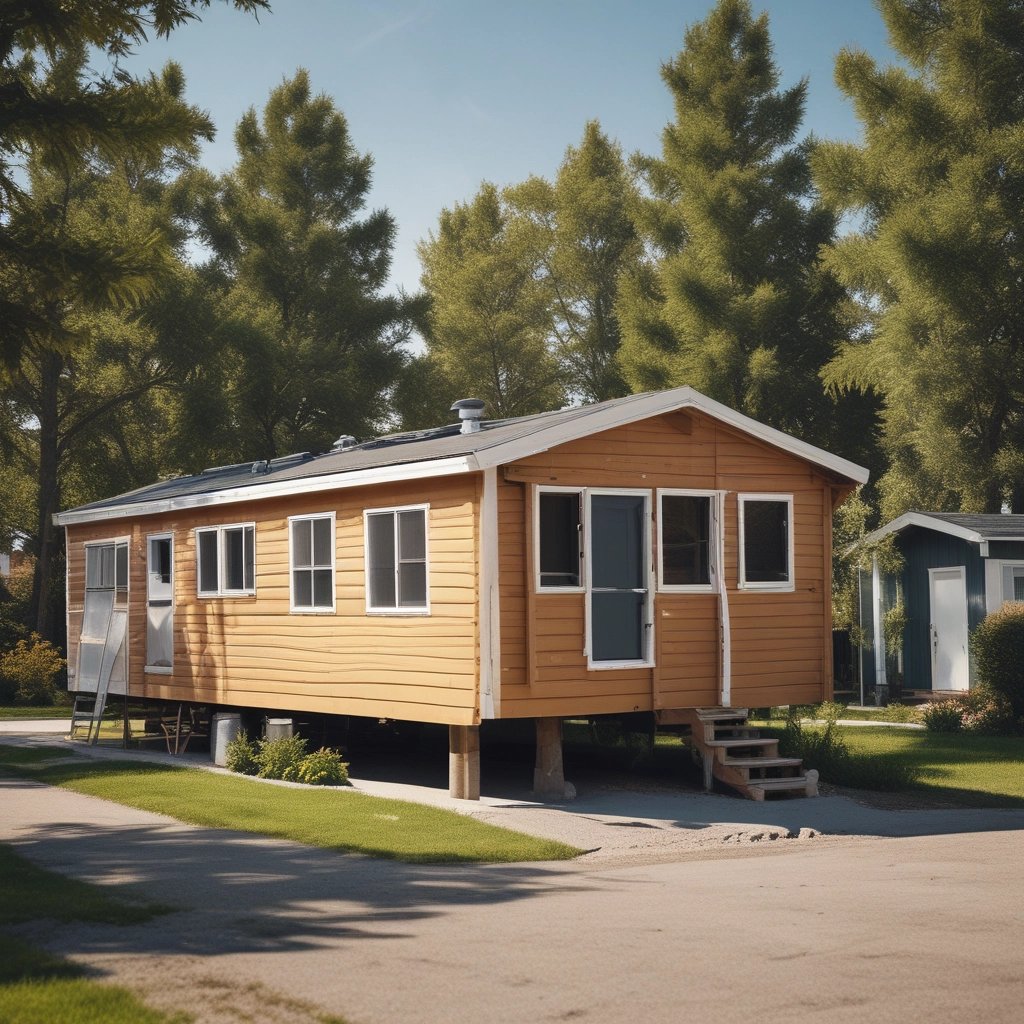
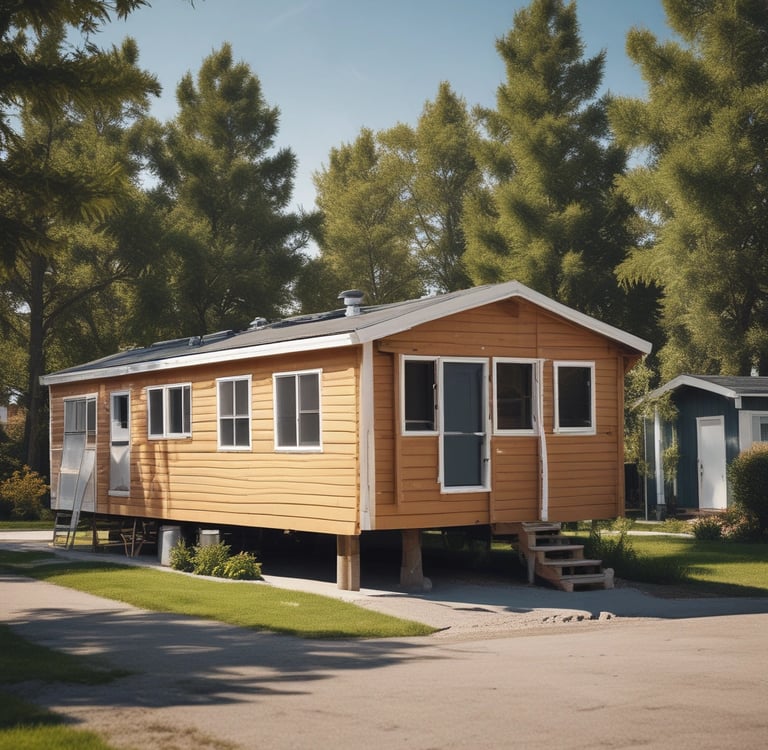
Mobile homes, often referred to as manufactured homes, are residential structures that are built primarily in factories and subsequently transported to their intended locations. Unlike traditional homes, which are typically constructed on-site, mobile homes are designed to remain transportable. This feature is one of the key attributes that distinguish them from conventional housing.
Typically, mobile homes are composed of a steel frame, a wooden structure, and insulated walls. The materials used in mobile home construction are selected not only for cost-efficiency but also for the ability to withstand transport. Common building materials include vinyl siding, plywood, and metal roofing, which contribute to the durability and lightweight nature of these units. The standard sizes of mobile homes can vary significantly, ranging from single-section units to larger double-wide homes offering enhanced living space and amenities.
Mobile homes often include a range of features to provide comfort and convenience to their inhabitants, such as built-in appliances, climate control systems, and energy-efficient windows. These elements are incorporated to ensure that mobile homes meet the demands of everyday living while being resilient in varied environmental conditions. Additionally, many mobile home designs focus on maximizing space efficiency, integrating open floor plans, and multifunctional furniture to enhance the livability of smaller spaces.
Understanding the structure and features of mobile homes is critical when examining how they perform in different climates. Factors such as insulation, foundation type, and materials used can directly influence a mobile home’s ability to withstand specific weather conditions. As we delve deeper into this subject, it will become evident that climate considerations play a substantial role in the overall performance and longevity of mobile homes.
The Impact of Temperature Extremes
Temperature extremes play a crucial role in determining the performance and durability of mobile homes. Both excessively high and low temperatures can severely affect the materials and systems engineered to make mobile homes livable and comfortable. When temperatures rise, the efficiency of insulation can diminish, leading to increased heat absorption. Materials such as vinyl siding and roofing can warp under intense heat, diminishing their protective qualities and leading to potential leaks or damage.
On the other extreme, cold temperatures pose their own set of challenges. As temperatures drop, the effectiveness of heating systems, such as HVAC units, becomes vital. Inadequate insulation or poorly maintained HVAC systems can lead to significant heat loss, causing energy costs to skyrocket. Long exposure to extreme cold can also result in plumbing issues, where water lines could freeze and subsequently break, leading to costly repairs and extensive damage.
Beyond HVAC performance and insulation efficacy, structural concerns also arise due to temperature fluctuations. In hot weather, materials such as wood and metal can expand, placing stress on connectors and joints. Conversely, in cold weather, contraction can occur, leading to warping or settling of the mobile home structure. These shifting components may ultimately result in misaligned doors, windows, and potentially increased susceptibility to air and water infiltration.
It is essential for mobile home owners to understand the implications of temperature extremes to mitigate risk effectively. Regular maintenance checks and investing in high-quality thermal insulation can enhance the home’s resilience against these climatic challenges. Ultimately, recognizing the impact of these temperature variations can lead to more informed choices regarding mobile home maintenance and repair strategies, ensuring long-term performance and comfort.
Humidity and Moisture Management
The impact of climate on mobile homes cannot be overstated, particularly when it comes to humidity levels. In regions characterized by high humidity, mobile homes face significant challenges regarding moisture accumulation. Excessive humidity can lead to serious issues, including the growth of mold and mildew, which poses real health risks to residents. Additionally, prolonged exposure to moisture can deteriorate structural components, leading to costly repairs.
Mobile homes are designed to withstand various environmental conditions, but they also require careful moisture management. In humid climates, indoor humidity can rise quickly, especially without appropriate ventilation. Therefore, it is essential to implement moisture management solutions tailored to the specific climate. Dehumidifiers can be beneficial in such settings, effectively reducing indoor humidity and preventing the onset of mold development. Maintaining a relative humidity level between 30% and 50% is vital for promoting a healthy living environment.
Conversely, in drier climates, while moisture accumulation may not initially seem like a concern, low humidity levels can also lead to problems such as dryness in materials, decreased structural integrity, and discomfort for the occupants. This climate condition requires a different approach; moisture-retaining strategies such as indoor plants or humidifiers can help balance humidity levels within mobile homes.
Proper ventilation is imperative regardless of climate type. Mobile homes should be equipped with adequate exhaust systems in kitchens and bathrooms to facilitate airflow and reduce moisture buildup. Moreover, utilizing breathable materials during construction can help mitigate moisture-related issues. In essence, recognizing how different humidity levels impact mobile home performance is key to ensuring durability and comfort for residents across various climates.
Storm Resilience and Weatherproofing
Mobile homes, due to their unique construction and design, can be significantly affected by severe weather conditions such as hurricanes, tornadoes, and heavy snowfall. These weather phenomena pose unique challenges that require mobile home owners to prioritize storm resilience and effective weatherproofing strategies. Securing a mobile home against strong winds and heavy precipitation is essential to ensuring the safety and longevity of the structure.
One of the central components of enhancing a mobile home’s storm resilience is the implementation of effective weatherproofing measures. This can include reinforcing the home's anchorage systems, ensuring that it is firmly tied down to withstand high winds. Additionally, installing impact-resistant windows and doors can protect against flying debris, a crucial factor during hurricanes and tornadoes, which can reach catastrophic speeds.
Moreover, proper insulation and sealing of the home can help mitigate damage from heavy snow and ice build-up, as well as reduce energy loss. When heavy snowfall accumulates on a mobile home, it can lead to structural strain if not adequately managed. Therefore, regular maintenance and timely snow removal are essential for preventing damage.
Regulations and standards for storm-proofing mobile homes are set by various organizations to ensure that manufactured homes can withstand extreme weather conditions. Compliance with these standards not only enhances the safety of residents but can also mitigate insurance risks. Many regions have specific building codes that dictate construction methods, required materials, and safety measures for mobile homes to endure such calamities successfully.
In conclusion, understanding the impacts of severe weather on mobile homes and implementing effective weatherproofing measures are essential steps in ensuring their longevity and resilience against storms. By adhering to regulations and standards designed to protect manufactured homes, owners can better safeguard their investment and ensure their peace of mind during adverse weather conditions.
Energy Efficiency in Different Climates
Energy efficiency is a critical factor for mobile homes, as their performance can vary significantly across different climate zones. The geographical location directly influences heating and cooling requirements, which are essential for achieving optimal energy performance. In temperate climates, where seasonal temperature variations occur, it is vital to select heating systems that can efficiently manage both warm and cold weather. Heat pumps are often favored in milder areas due to their dual function of providing heating in winter and cooling in summer.
Conversely, in regions characterized by extreme cold, mobile homes must be equipped with powerful heating systems that ensure comfort without severely impacting energy consumption. For instance, electric resistance heating or high-efficiency gas furnaces may be necessary to endure prolonged winter conditions. The choice of insulation material also becomes paramount in these zones; options such as fiberglass or spray foam can significantly reduce heat loss, thereby improving overall energy efficiency.
In hotter climates, the focus shifts towards cooling. Mobile homes must incorporate appropriate cooling technologies to mitigate the effects of high temperatures. Central air conditioning units, or energy-efficient evaporative coolers, can enhance comfort while minimizing energy use. Here, insulation plays a crucial role too, as it serves to reduce heat gain. Roof characteristics, such as reflective coatings and ventilation systems, can also aid in maintaining interior temperatures within a comfortable range.
Ultimately, adapting mobile homes to their climate through careful system selection and the use of suitable insulation materials is essential for maximizing energy efficiency. This strategic approach ensures that mobile homes not only perform well but also remain energy efficient across diverse environments.
Sustainability Considerations
The impact of climate on mobile home performance has prompted a significant shift towards sustainability in this sector. Mobile homes, often seen as a more affordable housing option, can benefit from the adoption of eco-friendly practices and materials. Utilizing sustainable resources in the construction of mobile homes not only helps mitigate environmental effects but also enhances the durability and efficiency of these structures.
One of the communities' key considerations in promoting sustainable mobile homes is through the use of environmentally friendly building materials. For instance, selecting materials such as recycled steel, bamboo, or reclaimed wood can lower the overall carbon footprint associated with home construction. Such materials are not only sustainable, but they also contribute to a healthier living environment, reducing indoor air pollutants.
Additionally, the integration of solar power options has become increasingly popular among mobile homeowners. Solar panels not only provide a renewable energy source, reducing dependency on traditional power grids, but they also lead to significant long-term savings on energy bills. Implementing solar energy systems can effectively combat rising temperatures and extreme weather events influenced by climate change, thereby ensuring a sustainable energy supply.
Moreover, energy-efficient appliances play a crucial role in enhancing the sustainability of mobile homes. By investing in appliances that consume less energy, homeowners can minimize their energy bills while also reducing their environmental impact. Such appliances are engineered to perform efficiently, even in varying climate conditions, thus supporting a sustainable lifestyle.
Community initiatives aimed at improving the sustainability of mobile homes are also on the rise. Programs that promote education about sustainable practices, incentive structures for adopting green technologies, and support for repairs and modifications can enhance both community resilience and individual efforts in combating climate change.
Future Trends and Innovations
As the demand for mobile homes continues to grow, especially with increasing climate unpredictability, several future trends and innovations are emerging that promise to enhance their performance significantly. The integration of smart home technologies stands out as a transformative development. These technologies can optimize energy use by adapting to weather conditions, thereby improving energy efficiency and comfort for residents. For instance, smart thermostats can learn the patterns of occupants and adjust heating or cooling systems automatically, contributing to a more sustainable living environment.
In addition to smart technologies, advancements in building materials are set to revolutionize the mobile home industry. Innovative materials that offer superior insulation and resilience against extreme weather phenomena are being developed. For example, insulated panels made from composite materials not only provide excellent thermal performance but also require less maintenance, which is critical in various climates. The introduction of eco-friendly materials such as recycled steel and sustainable wood alternatives is also gaining traction, reflecting a growing emphasis on environmental stewardship.
Moreover, new design strategies aimed at enhancing the durability and comfort of mobile homes are emerging. Incorporating features such as elevated foundations and wind-resistant structures can mitigate the effects of flooding and high winds, which are increasingly common due to climate change. Furthermore, customizable layouts and modular designs allow homeowners to tailor their living spaces to their individual climate-related needs, thus enhancing overall livability.
Overall, the future of mobile home performance will likely be shaped significantly by these innovations. The combination of smart technologies, advanced building materials, and strategic design not only addresses current challenges posed by climate variability but also aligns with a growing preference for sustainable and efficient housing solutions. As these trends continue to develop, they could position mobile homes as a versatile and resilient option for diverse climates.