
Prefab Homes vs. Apartments: Which is Better Long-Term?
1/4/20267 min read
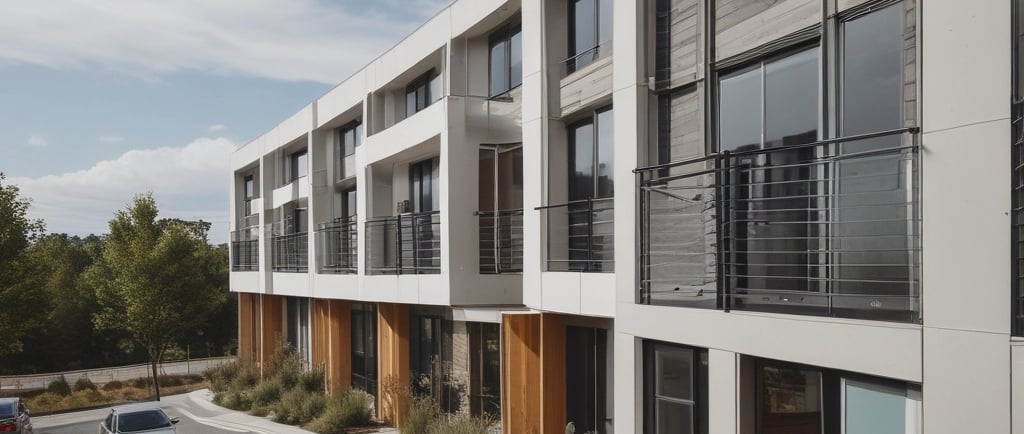
Introduction to Prefab Homes and Apartments
Prefab homes, short for prefabricated homes, are residential structures that are manufactured off-site in a factory setting before being transported and assembled at their final location. This construction method contrasts sharply with traditional home-building processes, where structures are constructed on-site. Prefab homes are designed to utilize building materials efficiently, aiming to minimize waste while leveraging robust construction techniques.
One of the significant advantages of prefab homes is the speed at which they can be constructed. Since components are built in a controlled environment, adverse weather conditions rarely delay the construction, leading to more predictable timelines. Furthermore, prefab homes have gained traction in today's real estate market due to their affordability, modern designs, and eco-friendly features, making them an attractive option for many buyers.
In contrast, apartments represent a different form of housing, typically found within multi-family dwellings. An apartment can be defined as a self-contained residential unit that occupies part of a larger building. These units vary significantly in size, layout, and amenities, and they are frequently leased or rented rather than purchased outright. Apartments vary from studios to spacious multi-bedroom units, catering to a broad demographic ranging from single professionals to large families.
Apartments also present their own advantages, such as centralized locations and access to community amenities like gyms, pools, and recreational facilities. This urban lifestyle appeals to individuals seeking convenience and social opportunities, particularly in metropolitan areas. Additionally, the responsibility for maintenance often falls under property management, relieving tenants of the upkeep duties commonly associated with home ownership.
Cost Comparison: Initial Investment and Long-Term Savings
The financial implications of choosing between prefab homes and apartments warrant careful consideration. When assessing the initial investment, one must first evaluate the purchase price or rental costs associated with each housing option. Prefab homes, typically characterized by their modular construction and efficient building processes, can often be more affordable than traditional houses, with costs ranging widely based on design and customization. In contrast, apartments usually entail lower upfront costs, particularly when considering urban areas where rental markets thrive. However, ongoing expenses such as maintenance fees and property taxes must also be factored into this comparison.
Maintenance costs for prefab homes can be lower due to their modern construction and energy-efficient materials. These homes are often designed to require less upkeep than older apartment units. Conversely, while apartment dwellers might benefit from the convenience of communal maintenance services, such fees can accumulate, impacting long-term financial planning. Moreover, property taxes for standalone prefab homes may be higher than those of apartments located within a larger complex, where taxes can be distributed across multiple units.
Long-term savings potential also plays a critical role. Prefab homes tend to exhibit superior energy efficiency, which translates into lower utility bills over time. Many of these homes incorporate advanced insulation, energy-efficient appliances, and sustainable materials that enhance their longevity. On the other hand, apartments may benefit from economies of scale in energy use but often lack the individual customization options to maximize efficiency.
Market appreciation is another vital factor; historically, standalone homes, including prefab models, appreciate over time more consistently than apartments, which can be influenced by various market dynamics. Therefore, prospective buyers or renters should weigh these financial aspects thoughtfully when deciding between prefab homes and apartments.
Living Space and Customization Options
When comparing prefab homes and apartments, one of the primary factors to consider is the living space available. Prefab homes typically offer larger square footage than apartments, allowing for greater flexibility in layout and design. For families or individuals seeking more room for activities, a single-family prefab home can provide the necessary space for comfortable living.
While apartments may come with limitations regarding size, they often compensate with amenities and convenience. The average apartment might range from a studio to a multi-bedroom unit, yet it generally embraces a more compact living style. This can be beneficial for those who prefer the convenience of urban living or who do not require the extensive space that a prefab home offers. However, the apartment layout is often limited by the building structure, which can restrict options for personal modification.
Customization is another crucial aspect distinguishing these two housing types. Prefab homes, as the name suggests, are constructed off-site and can be tailored to meet the individual preferences of the homeowners. From selecting materials to deciding on room layouts, the customization options for prefab homes are vast, making it possible to create a unique living environment that aligns with personal tastes. In contrast, apartments usually have standardized layouts and limited options for customization, often requiring tenants to adhere to a landlord's restrictions on renovations or alterations.
In summary, those valuing ample living space and the ability to personalize their home may find prefab options more suitable. Conversely, individuals seeking a more manageable living space in urban centers may lean towards apartment living. Understanding these differences is essential for making an informed decision about long-term housing preferences.
Environmental Impact and Sustainability
When evaluating the long-term suitability of prefab homes versus apartments, it is crucial to consider their respective environmental impacts and sustainability. Prefab homes often boast a distinct advantage due to their construction processes, which typically employ sustainable materials. Such homes are usually built in controlled factory settings, allowing for precise material usage, waste reduction, and energy efficiency. These homes can be designed to incorporate renewable resources, such as solar panels, and can easily integrate energy-efficient appliances, thereby minimizing their overall ecological footprint.
In addition to their construction methods, prefab homes can also utilize advanced insulation techniques, which contribute significantly to energy conservation. By enhancing thermal performance, these homes can maintain more stable indoor temperatures, reducing reliance on heating and cooling systems. Such energy efficiency not only lowers utility costs but also aligns with broader environmental sustainability goals, helping to reduce greenhouse gas emissions.
Conversely, apartments present an alternative living arrangement characterized by their potential to enhance urban sustainability. By concentrating living spaces in higher-density environments, apartments may reduce urban sprawl and conserve green spaces. This density can lead to a decrease in individual car usage, thus minimizing transportation emissions. However, while apartments can foster community living and decrease individual resource consumption, they can also carry an unintended environmental burden through high construction energy demands and resource depletion.
Moreover, the overall ecological footprint of an apartment can vary significantly based on its location and building practices. Older apartment buildings, often constructed without modern sustainability considerations, may use non-renewable materials and lack efficient energy systems. In contrast, newer buildings are increasingly designed with sustainable practices in mind, although this varies considerably across regions.
Maintenance and Community Considerations
When choosing between prefab homes and apartments, maintenance responsibilities are a critical aspect to consider. With apartments, maintenance is typically managed by the property management team. Tenants are generally not responsible for structural repairs or upkeep of shared facilities; this can include everything from plumbing issues to landscaping. Such arrangements provide a level of convenience for residents, as they can report problems and expect a swift response from professional maintenance staff. However, this can also lead to delayed responses if the management is overwhelmed or if bureaucratic processes hinder quick fixes.
Contrastingly, owners of prefab homes often bear the brunt of maintenance responsibilities. While these homes benefit from modern construction techniques, which can result in durability and reduced repair frequency, the homeowner is still responsible for repairs and maintenance. This can be a double-edged sword; while it offers control over one’s living space, it demands a greater time and financial commitment from the homeowner, who must either manage repairs personally or hire professionals.
In addition to maintenance, community dynamics play a vital role in the living experience. Apartments typically foster a more immediate sense of community through close proximity to neighbors and shared amenities such as gyms and pools, which encourage social interaction. However, this environment can lead to privacy concerns and noise issues due to the connected nature of apartment living.
On the other hand, prefab home communities are often designed to promote connections among residents while providing more private, detached living environments. Many of these developments may include shared spaces designed for community gatherings, helping create a sense of belonging. This balance allows for both personal space and social opportunities, giving residents the best of both worlds in terms of community interaction.
Market Trends and Future Outlook
The real estate market has seen substantial shifts in recent years, particularly in the realms of prefab homes and apartments. Increasing housing demand against a backdrop of escalating property prices has led to growing interest in innovative housing solutions. Prefab homes, characterized by their speed of construction and cost-effectiveness, are becoming a viable alternative for buyers looking for affordable options. This trend is particularly apparent among millennials and young families, who value flexibility and sustainability in their living arrangements.
In contrast, traditional apartment living remains a preferred choice for urban professionals who prioritize location and amenities such as security, communal spaces, and proximity to workplaces. Recent statistics indicate that while apartment sales have remained steady, interest in prefab housing is notably rising, especially in suburban regions. This shift can be attributed to the increased accessibility of land, advances in construction technology, and a heightened awareness of environmental sustainability.
Regional variances also play a significant role in market trends. In urban areas, the demand for apartments tends to remain robust due to limited space and a high concentration of amenities. Conversely, rural and semi-urban regions are witnessing a surge in prefabricated home sales as buyers seek larger living spaces at affordable prices. This evolving housing landscape suggests that buyers are becoming more discerning, seeking solutions that align with their lifestyle preferences and economic realities.
Looking to the future, economic factors such as inflation rates, interest rates, and material costs will significantly impact both prefab homes and apartments. Furthermore, shifts in consumer behavior, influenced by remote work and lifestyle changes, are likely to shape housing preferences. Innovations in home design and construction, particularly those that emphasize energy efficiency and minimal environmental footprints, will be crucial in meeting the demands of future home buyers.
Conclusion: Making the Right Choice for Your Future
As we have explored throughout this discussion, both prefab homes and apartments offer distinct advantages and potential drawbacks that cater to varying lifestyles and financial situations. It is crucial for individuals to assess their personal circumstances, including their budget, preferences, and long-term aspirations, when deciding between these two housing options.
Prefab homes often appeal to those seeking more space, customization, and the possibility of a more affordable initial investment, particularly when considering the future potential for property appreciation. They offer a unique opportunity for homeowners to own a property with the capability for expansion or modification, which can be beneficial for families or individuals with evolving needs.
In contrast, apartments provide a convenience and accessibility that many find advantageous, especially for urban dwellers who prioritize proximity to work, amenities, and social opportunities. Renting or owning an apartment typically involves less maintenance and immediate commitment compared to a house, making it a favorable choice for those who value ease or may be unable to invest in property long-term.
Ultimately, the decision between a prefab home and an apartment should be made based on individual priorities. Factors such as lifestyle preferences, financial health, and future goals will heavily influence what is deemed the better option. We encourage readers to conduct thorough research and consider speaking with professionals in real estate before making a decision. The best choice is highly subjective and varies for each individual, and weighing these aspects thoughtfully will lead to informed and satisfying housing decisions.