
How Prefab Homes are Revolutionizing Suburban Housing
1/7/20267 min read
Introduction to Prefab Homes
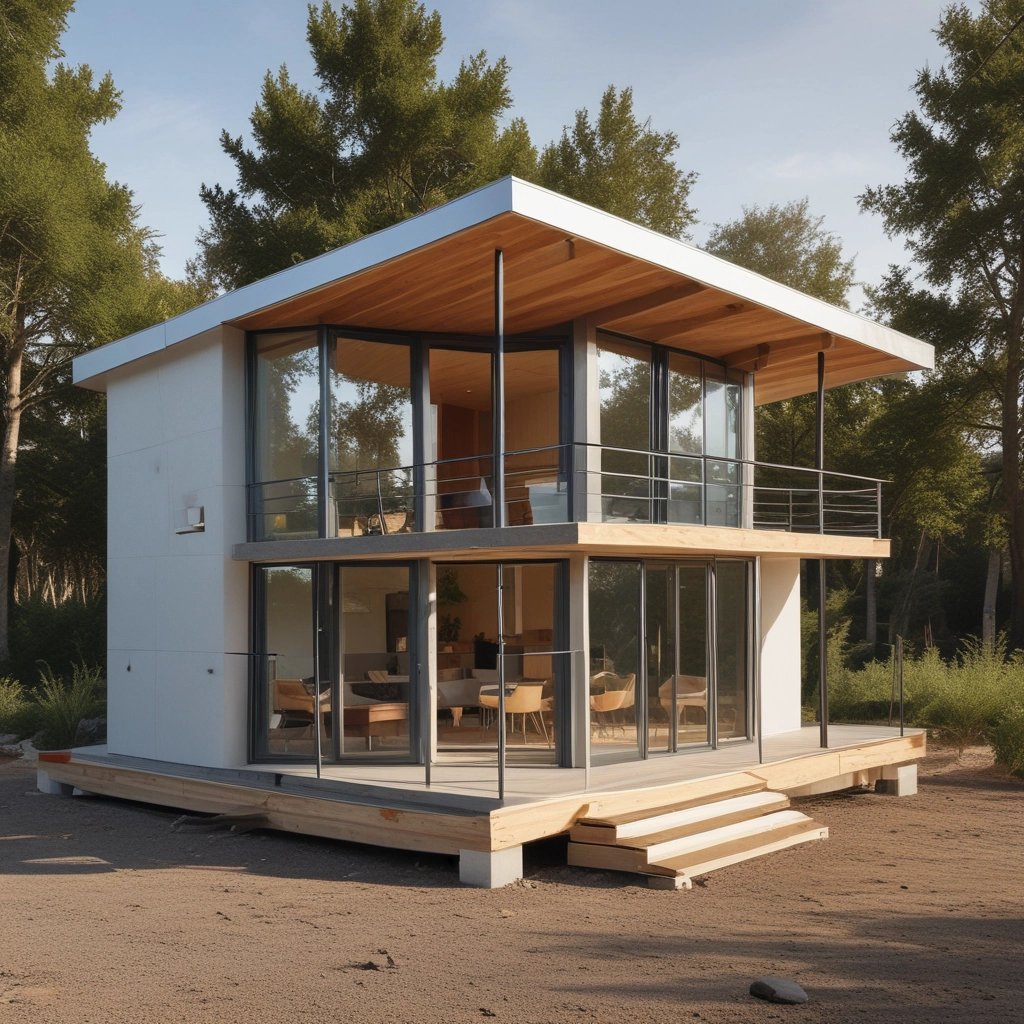
Prefab homes, short for prefabricated homes, represent a modern approach to residential construction, characterized by the assembly of building components manufactured in a factory setting. These homes have a historical lineage that dates back to the early 20th century when innovations in industrial manufacturing began to influence the housing sector. Early examples include the "kit homes" popularized in the 1900s, which allowed homeowners to order pre-cut materials to assemble on-site.
The definition of prefab homes encompasses various types, including modular, manufactured, and panelized homes. Modular homes are comprised of multiple sections (or modules), which are built in a factory and transported to the site for assembly. This method allows for a greater degree of customization while maintaining cost efficiency. Manufactured homes, often referred to as mobile homes, are constructed entirely in a factory and then placed on a permanent foundation. These homes meet the federal building code for manufactured housing and are often more affordable than traditional homes.
Panelized homes involve the creation of panels—walls, floors, and roofs—pre-constructed in a factory. These panels are then transported to the building site, where they are assembled into a complete structure. Each of these types of prefab homes offers distinct advantages, such as reduced construction time, cost savings, and decreased waste. In recent years, the appeal of prefab homes has surged in suburban regions, attributed to their efficiency, eco-friendliness, and versatility in design.
Overall, the increasing demand for sustainable and affordable housing in suburban communities is driving the popularity of prefab homes. As society evolves, these innovative structures are challenging traditional housing norms and reshaping the landscape of suburban living.
Benefits of Prefab Homes
Prefab homes are transforming the landscape of suburban housing, offering a multitude of benefits that cater to the evolving preferences of homeowners. One of the most significant advantages is cost-effectiveness. Compared to traditional construction methods, prefab homes generally incur lower overall costs. The manufacturing process in controlled environments minimizes waste, reduces labor costs, and often leads to fewer material expenses. As a result, homeowners can enjoy significant savings while still obtaining a quality dwelling.
Another appealing feature of prefab homes is their dramatically faster construction times. Since a majority of the building process occurs in a factory, the time required for site preparation and assembly is considerably reduced. Homeowners can often move into their new residences much sooner than with conventional houses, making prefab homes an attractive option for those seeking swift relocations.
Additionally, prefab homes demonstrate a commitment to environmental sustainability. Many manufacturers utilize eco-friendly materials, such as recycled products and sustainably sourced wood, aligning with the growing demand for greener living options. This environmentally conscious approach does not compromise quality, as many prefab homes are built to rigorous industry standards, thus providing both durability and functionality.
Energy efficiency is yet another hallmark of prefab homes. With advanced insulation systems and the option for incorporating renewable energy sources, such as solar panels, these houses often boast lower utility bills and a reduced carbon footprint. This aligns with the values of many modern suburban homeowners who prioritize long-term savings and eco-responsibility.
Lastly, customization options available in prefab homes allow buyers to personalize their living spaces to fit their unique styles and needs. From choosing layouts to selecting finishes, prefab homes offer homeowners the flexibility to create a residence that truly reflects their vision.
The Impact of Technology on Prefab Home Construction
Advancements in technology have ushered in a new era for prefab home construction, fundamentally altering the methods used to design and build residential structures. Notably, technologies such as 3D printing and computer-aided design (CAD) have emerged as pivotal players, enhancing the efficiency and precision of the building process. 3D printing, in particular, has enabled manufacturers to produce components with unparalleled accuracy, reducing waste and minimizing labor costs. This technology allows for the rapid prototyping of structural elements, which can be customized to meet the unique demands of homeowners.
Additionally, computer-aided design has revolutionized architectural planning for prefab homes. With CAD software, architects can develop intricate designs while optimizing space and energy efficiency. The precision afforded by these digital tools translates into fewer construction errors and a streamlined building process. Consequently, the reliance on manual drafting methods has diminished, fostering a more innovative and technology-driven approach to home construction.
Moreover, the integration of smart home technologies has further transformed the landscape of prefab housing. Homebuyers now seek properties that offer smart features such as automated lighting, security systems, and energy management solutions. These integrations not only enhance the living experience but also improve energy efficiency, an increasingly vital aspect of modern residential design. The automation of various home systems not only contributes to user convenience but also aligns with sustainable practices by optimizing energy consumption.
In summary, advancements in technology, including 3D printing, computer-aided design, and smart home implementations, have significantly impacted the prefab home industry. Through this technological evolution, prefab construction has become more efficient, accurate, and sustainable, thereby reshaping suburban housing and meeting the demands of today’s environmentally conscious consumers.
Addressing Common Misconceptions about Prefab Housing
Prefab homes often face a range of misconceptions that can lead to hesitancy among potential buyers. One prevalent stereotype is that prefab homes are synonymous with poor quality. This assumption stems from earlier models that may have been hastily constructed using subpar materials. However, contemporary prefab housing utilizes advanced manufacturing technology, high-grade materials, and strict quality controls, often surpassing traditional construction standards. Many modern prefab homes achieve energy efficiency certifications and even exceed local building codes, providing homebuyers with long-lasting, robust living options.
Another misconception is that prefab homes lack customization options, forcing buyers to settle for cookie-cutter designs. In reality, the prefab housing industry has evolved significantly, offering a diverse array of styles and layouts. Many manufacturers allow for a high level of personalization, from floor plans to interior finishes. Homebuyers can choose from a wide selection of designs, including modern, traditional, and eco-friendly options, ensuring that their new home fits their aesthetic preferences and functional needs.
Financing is often cited as a concern with prefab homes, with potential buyers fearing that lenders may not view them as "real" houses. This stems from historical biases against manufactured homes. However, as the popularity of prefab housing rises, numerous lenders have adapted their mortgage offerings specifically for prefab properties. In many cases, financing options are comparable to those for site-built homes, allowing buyers to secure loans under favorable terms.
Overall, the prominent myths surrounding prefab homes can deter potential purchasers without justification. Industry advancements have led to quality improvements, a variety of design choices, and enhanced financing options, enabling prefab homes to stand as competitive and appealing choices within the suburban housing market.
Case Studies of Successful Prefab Projects in Suburban Areas
Across the United States, prefab homes are making a notable impact in suburban neighborhoods, showcasing innovative design, community engagement, and sustainable practices. One such example is the Knox Box in Austin, Texas, a collaboration between local architects and builders aimed at revitalizing an underutilized area. This project features modern, modular designs that blend seamlessly with the traditional architecture of the suburb, demonstrating how prefab construction can enhance community aesthetics while providing affordable housing options.
Another distinguished project is Prefab Paradise, located in Marin County, California. This development consists of eco-friendly modular homes designed to minimize environmental footprints. The prefab homes utilize solar energy, sustainable materials, and energy-efficient systems that align with the area’s commitment to green living. As a result, the project has not only reduced energy costs for homeowners but has also fostered a sense of shared purpose among residents focused on sustainability.
In the Twin Cities, Modular Village serves a unique demographic by providing accessible housing for first-time buyers and young families. This project emphasizes community integration by designing communal spaces, parks, and walking paths that encourage social interaction. The thoughtful layout and design have received positive feedback from residents, fostering a vibrant neighborhood atmosphere.
These case studies illustrate how prefab homes are revolutionizing suburban housing by combining innovative designs with community-focused elements. They serve as prime examples of how modular construction can address housing challenges while promoting sustainable living and enriching the suburban landscape. Moreover, these projects exemplify adaptability—the ability of prefab homes to meet diverse needs and tastes in various suburban settings.
Future Trends in Prefab Housing
The modernization of suburban housing is undeniably influenced by the trends emerging within the prefab housing market. One of the most significant shifts has been the escalating demand for affordable housing options. As housing prices soar in many urban areas, prefab homes present an appealing alternative, offering cost efficiency and quick construction timelines. This trend reflects a broader recognition of the need for accessible housing solutions that cater to a diverse demographic, including first-time homebuyers and low-income families.
Alongside affordability, sustainability is becoming a central concern for future housing strategies. Prefab homes are increasingly designed with eco-friendly materials and energy-efficient technologies which contribute to reducing their carbon footprint. The integration of sustainable practices not only appeals to environmentally-conscious consumers but also aligns with governmental policies aimed at promoting green building standards. As more consumers opt for homes that minimize environmental impact, prefab manufacturers are responding with innovative designs that emphasize sustainability without sacrificing style or comfort.
Furthermore, the integration of smart technologies in prefab homes is on the rise. Home automation systems, energy monitoring tools, and advanced security measures are becoming standard features in new developments. This evolution reflects a broader trend toward convenience and efficiency in modern living. Homebuyers are increasingly interested in how technology can improve their living experience and enhance their home’s energy efficiency. Therefore, prefab housing is evolving to meet these preferences, ensuring that homes are not only cost-effective but also equipped with the latest technological advancements.
In summary, the future of prefab housing is being shaped by the increasing need for affordable options, a commitment to sustainability, and the incorporation of smart technologies, signaling a transformative era in suburban housing development.
Conclusion: The Future of Suburban Living with Prefab Homes
Prefab homes have emerged as a transformative force in the realm of suburban housing, redefining traditional concepts of home construction and community living. Their innovative designs, combined with efficient manufacturing processes, present a compelling solution to the growing demand for affordable and sustainable housing options. As we reflect on the inherent benefits of prefab homes, it becomes increasingly evident that they play a pivotal role in shaping the future landscape of suburban living.
One of the primary advantages of prefab homes is their ability to reduce construction time significantly. Through advanced manufacturing techniques, these homes are often built in a fraction of the time it takes to construct traditional homes, allowing prospective homeowners to move in sooner. This time efficiency not only addresses the immediate housing needs of many families but also helps alleviate housing shortages in suburban areas where demand is on the rise.
Moreover, the financial aspect of prefab homes cannot be overstated. They are generally more cost-effective compared to their traditional counterparts, enabling a broader segment of the population to enter the housing market. With the increasing accessibility of prefab models, we can anticipate a rejuvenation of suburban areas with diverse housing options catering to different demographics, from young professionals to retirees.
Additionally, as sustainability takes center stage in housing development, prefab homes offer an opportunity for environmentally conscious construction practices. Many companies in the prefab sector prioritize eco-friendly materials and design processes, appealing to a market that is increasingly aware of their carbon footprint.
In summation, prefab homes are not merely a trend but a viable means of addressing contemporary housing challenges. Their impact on suburban living is profound, indicating that our future neighborhoods may be significantly reshaped by this revolutionary approach to housing. The shift towards prefab solutions signifies a progressive step toward creating more resilient, affordable, and sustainable communities.