
The Truth About Resale Value of Prefab Homes
1/20/20267 min read
Introduction to Prefab Homes
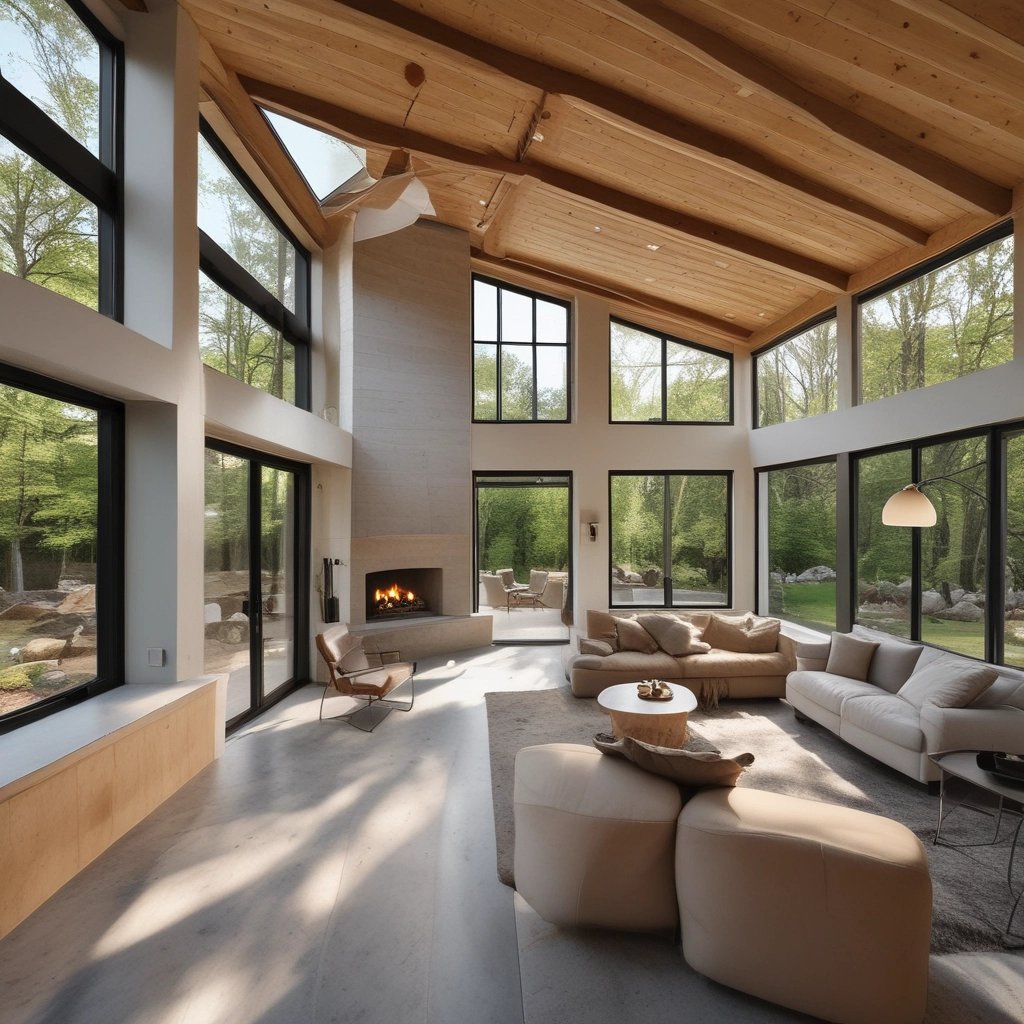
Prefab homes, short for prefabricated homes, represent a modern approach to housing construction that often eliminates the traditional on-site building process. These homes are constructed offsite in a factory setting before being transported and assembled on the final location. This method allows for greater efficiency, reduction of waste, and potentially lower costs when compared to site-built homes.
There are various types of prefab homes, including modular homes, panelized homes, and manufactured homes. Modular homes consist of multiple sections or modules that are built in a factory before being transported and assembled on-site. Panelized homes, on the other hand, involve the production of wall panels that are later assembled on the site, allowing for some customization. Manufactured homes differ significantly, as these homes are built entirely in a factory and must adhere to strict federal regulations.
Despite their advantages, misconceptions about prefab homes persist. A common belief is that they lack quality or durability compared to traditional homes. In reality, when constructed by reputable manufacturers, prefab homes can meet or exceed the same standards for safety and energy efficiency as conventional houses. Another misconception is that prefab homes depreciate in value at a faster rate, leading potential buyers to overlook them. However, factors such as location, market demand, and maintenance play a crucial role in a home's resale value, regardless of its construction method.
This discussion aims to clarify the common misunderstandings about prefab homes, particularly regarding their resale value. Understanding these elements is crucial for potential buyers, homeowners, and investors who are navigating the housing market.
Understanding Resale Value
In real estate, resale value refers to the potential worth of a property when it is sold after its initial purchase. It is a crucial aspect for homeowners and investors alike, as it not only influences financial returns but also impacts the long-term investment potential of a property. Resale value is determined by various factors, including location, demand, property condition, and market trends.
One of the primary contributors to a home’s resale value is its location. Properties situated in desirable neighborhoods or areas with good schools, amenities, and low crime rates typically hold higher resale values. Additionally, proximity to major employment centers and transportation options can enhance a property's desirability. Market demand also plays a significant role; in times of economic prosperity, homes tend to appreciate in value, while during downturns, they may depreciate.
The condition of the property is another crucial factor influencing its resale value. A well-maintained home with updated features, such as modern appliances, energy-efficient systems, and aesthetically pleasing interiors, is more likely to attract buyers and command a higher resale price. Conversely, homes requiring significant repairs or renovations may struggle to achieve favorable offers.
Market trends also influence the resale value of homes, including fluctuations in interest rates and housing supply. An increase in interest rates can make borrowing more expensive, potentially decreasing the pool of interested buyers. Moreover, a surge in new construction can saturate the market, affecting existing properties' values. Therefore, potential homeowners should consider these elements when evaluating a property's future resale value, particularly regarding prefab homes which may have unique characteristics affecting their marketability.
Factors Influencing Resale Value of Prefab Homes
The resale value of prefab homes is influenced by several critical factors, and understanding these can help potential buyers make informed decisions. One of the primary factors is the location of the home. Properties situated in desirable neighborhoods, which offer good schools, proximity to amenities, and low crime rates, are likely to have higher resale values. Additionally, the overall economic conditions of the area, such as job growth and the real estate market trend, play a crucial role in determining how much a prefab home can be sold for in the future.
Another important factor is market demand. The interest in prefab homes has been growing, especially due to their affordability and customization options. As more people become aware of the benefits of prefab living, demand for these homes can increase, positively impacting their resale value. Conversely, an oversaturated market with too many similar homes may diminish buyer interest and drive prices down.
The quality of construction also significantly affects the resale value. Homes built with high-quality materials and superior craftsmanship often command higher prices. Buyers are generally more willing to invest in a prefab home that meets or exceeds building codes, offers energy-efficient systems, and comes with warranties, as these factors can reflect the long-term value of the property.
Furthermore, the reputation of the manufacturer plays a key role in determining the resale value as well. Well-known and respected manufacturers tend to produce homes that hold their value better over time. Their established reputation for quality, design, and customer service can influence buyer perceptions, ultimately affecting resale value positively.
Comparing Prefab Homes to Traditional Homes
The resale value of homes can significantly influence both buying and selling decisions in the real estate market. When comparing prefab homes to traditional homes, it is crucial to understand how their resale values differ. Prefab homes, also known as manufactured or modular homes, are constructed off-site and then assembled on the property. Traditional homes, on the other hand, are built entirely on-site using conventional construction methods.
Historically, traditional homes have commanded higher resale values compared to prefab homes. Several factors contribute to this phenomenon. First, traditional homes often benefit from a deeper sense of permanence and are typically financed through conventional mortgage methods, which can lead to wider market acceptance. Contrastingly, prefab homes may be viewed with skepticism regarding their durability and long-term investment potential, affecting their overall marketability.
Another significant factor is the location. Traditional homes are frequently situated in established neighborhoods, which naturally enhances their appeal and value retention. In contrast, prefab homes may sometimes be located outside urban centers or in less desirable areas, impacting their resale value adversely. Moreover, the perception of owners towards the construction type plays a role; buyers may have preferences that lean towards traditional builds when considering long-term investments.
However, it is noteworthy that the gap in resale values between prefab homes and traditional residences can vary based on specific market conditions and geographic locations. Recent trends indicate that as the design and construction quality of prefab homes continues to advance, some models can achieve competitive resale values. Additionally, the increasing acceptance of sustainable building practices has led to heightened interest in modern, eco-friendly prefab options.
Market Trends for Prefab Homes
In recent years, the market for prefab homes has experienced notable changes, influenced by a variety of factors including consumer preferences, environmental considerations, and economic conditions. One of the most significant trends is the shift in consumer attitudes toward sustainable and cost-effective housing solutions. As environmental awareness grows, many buyers are prioritizing homes that not only minimize ecological impact but also offer energy efficiency. This shift has made prefab homes increasingly popular, as they are often designed with sustainable materials and practices in mind.
Another emerging trend is the investment potential associated with prefab homes. Investors are recognizing the advantages that come with these types of construction, particularly in markets where traditional housing is becoming increasingly unaffordable. The speed of construction and the generally lower initial costs of prefab homes make them an attractive option for both new homebuyers and investors looking for properties to rent or flip. As a result, the resale value of prefab homes is becoming more competitive, with many homes retaining their value or appreciating over time when located in desirable areas.
Moreover, the increasing customization options available with prefab homes are contributing to their market appeal. Consumers are looking for homes that can be tailored to their specific needs without the extensive delays often associated with traditional home building. This ability to personalize designs is attracting a wider demographic, further solidifying the presence of prefab homes in the housing market.
Ultimately, these trends in consumer preference and investment potential are shaping the overall resale values of prefab homes. With the right market positioning and features, many prefab homes are seen as viable long-term investments, reflecting the important intersection of innovation and practicality in the housing sector.
Myths vs. Reality
Prefab homes, or prefabricated houses, have gained traction in recent years, yet many misconceptions persist regarding their resale value. One common myth is that prefab homes depreciate faster than traditionally built homes. In reality, like any property, the resale value of a prefab home largely depends on location, market demand, and the quality of the construction. High-quality prefab homes built by reputable manufacturers can appreciate and maintain value comparable to traditional homes over time.
Another prevalent myth is that potential buyers will be deterred by the term "prefabricated." This perception may stem from outdated ideas about prefabrication not being aesthetically pleasing or durable. However, modern prefab homes come in a variety of styles and designs, showcasing innovation and architectural creativity. Many buyers appreciate the efficiency and ecological benefits associated with these homes, which often include sustainable materials and reduced waste during construction. As such, the value proposition for a well-built prefab home remains appealing in today's real estate market.
Furthermore, some individuals believe that prefabricated homes are less customizable than traditional homes, thereby impacting their resale potential. On the contrary, many manufacturers offer extensive customization options that allow buyers to design homes tailored to their preferences. This ability to personalize a prefab home can enhance its appeal to future buyers, contrasting the idea that they are simply "cookie-cutter" residences.
In light of these facts, it is essential for potential buyers to conduct thorough research and seek professional advice regarding prefab homes. Understanding how factors like quality construction, market trends, and customization all influence resale values can empower buyers to make informed decisions. Recognizing these realities dispels myths and helps promote a more balanced view of prefab homes and their investment potential.
Conclusion and Future Outlook
As we have explored, the resale value of prefab homes can be influenced by several factors, including location, quality of construction, market trends, and buyer perception. Generally, prefab homes have developed a reputation for affordability and innovative design, making them an attractive option in various housing markets. These homes often provide value through lower initial purchase prices and reduced building times compared to traditional construction methods. However, the resale value can vary significantly based on the neighborhood and the demand for manufactured housing.
Looking toward the future, the prospects for prefab homes appear promising. The increasing emphasis on sustainable living and eco-friendly building practices positions prefab constructions favorably within the wider real estate market. Advances in technology, such as 3D printing and modular assembly techniques, are likely to enhance the design capabilities and construction efficiency of prefab homes, further aligning them with modern buyer desires.
Additionally, as the housing market continues to grapple with inventory shortages and rising costs, alternatives like prefab homes may gain acceptance as viable solutions. This growing acceptance could positively impact their resale values, as more consumers recognize the benefits associated with this type of housing. Moreover, government incentives aimed at sustainable living could also bolster demand for prefab homes.
In summary, while the resale value of prefab homes currently fluctuates with various market influences, future trends suggest a potentially stronger position in the housing sector. The combination of innovative construction practices, shifting buyer preferences, and economic factors will likely play a pivotal role in determining the long-term value of these properties in the real estate landscape.