
Exploring Prefab Homes in Rural Areas: Pros, Cons, and Essential Considerations
1/28/20267 min read
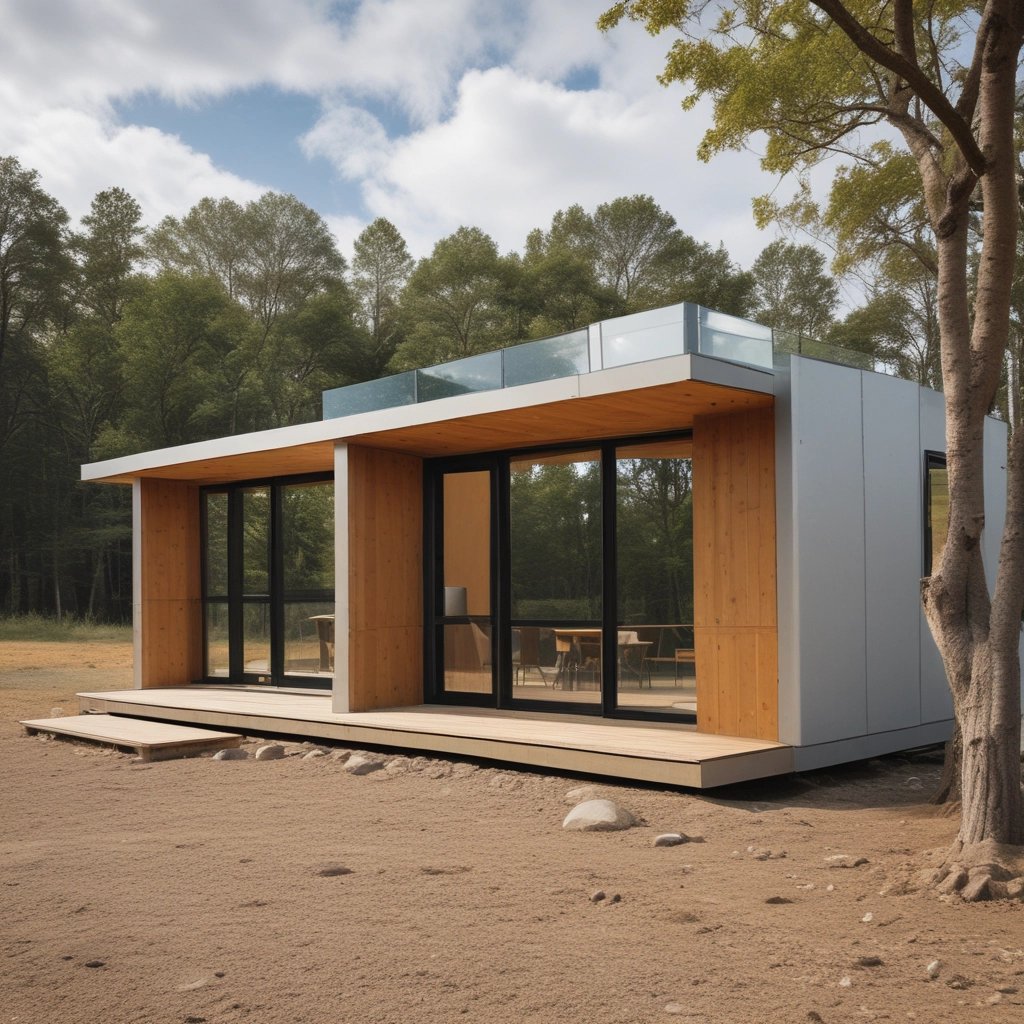
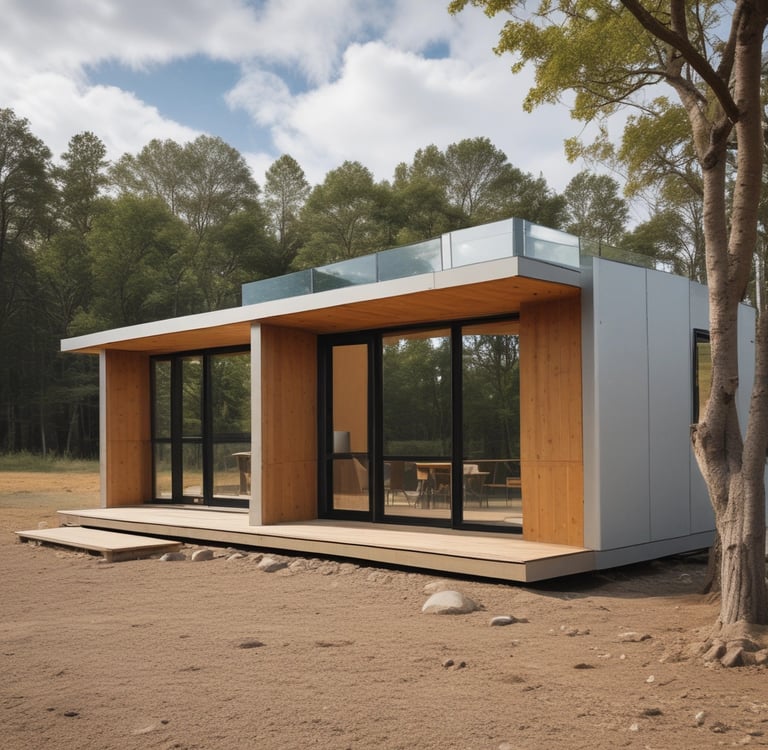
Introduction to Prefab Homes
Prefab homes, short for prefabricated homes, represent a modern approach to housing that has gained substantial traction in recent years, particularly in rural areas. These dwellings are constructed off-site, with components built in a factory setting, which are then transported to the final location for assembly. Various types of prefab homes exist, including modular homes, manufactured homes, and tiny homes, each of which offers distinct characteristics and benefits.
Modular homes consist of sections called modules that are fully constructed in a factory before being delivered and assembled on-site. This method allows for a high degree of customization and can often reduce construction time significantly. Alternatively, manufactured homes are built entirely in a factory and are usually placed on permanent foundations, often resembling traditional homes in appearance. Meanwhile, tiny homes are compact, efficient living spaces that have surged in popularity as a response to changing lifestyles and the desire for more sustainable living options.
The primary advantage of prefab homes lies in their affordability and speed of construction, which has made them an appealing option for many rural communities facing housing shortages or seeking economical living solutions. As the demand for housing rises in these areas, prefab homes provide a viable alternative that addresses both budgetary constraints and the urgency of providing shelter. Additionally, their construction usually generates less waste compared to traditional building methods, making them an environmentally friendly choice.
In summary, the emergence of prefab homes offers a contemporary solution to housing challenges, blending affordability, efficiency, and environmental considerations in rural settings. As these homes continue to gain popularity, they are gradually altering perceptions about modern living in less urbanized areas.
Benefits of Prefab Homes in Rural Areas
Prefab homes, also known as prefabricated or modular homes, offer significant advantages for individuals and families considering construction in rural environments. One of the foremost benefits is cost-effectiveness. Due to their manufacturing process, prefab homes typically incur lower production costs compared to traditional homes. This affordability can be particularly advantageous in rural areas where local building costs can be high due to the often limited availability of construction resources and labor.
Speed of construction is another compelling reason to choose prefab homes. These structures are assembled rapidly on-site after being prefabricated at a factory, which not only reduces the overall construction time but also minimizes the disruption to the local environment. This expediency is beneficial for rural regions where housing shortages may exist, allowing residents to establish themselves more quickly.
Energy efficiency is a critical consideration for any new home, and prefab houses are no exception. Many manufacturers focus on implementing energy-efficient designs and materials, which can lead to significant savings on utility bills over time. Improved insulation and modern energy systems can markedly reduce a home’s carbon footprint while enhancing comfort for residents.
Moreover, the customizable designs of prefab homes enable future homeowners to create a space tailored to their specific needs and preferences. This flexibility allows for innovative construction choices that can harmonize with the local landscape. Additionally, by embracing a modular approach, prefab homes often result in reduced construction waste, which is a vital concern in sustainable building practices.
Finally, the introduction of prefab homes in rural areas can bolster local economies. The integration of such housing projects can stimulate job creation in construction, delivery, and service sectors, fostering growth and enhancing community development.
Drawbacks of Prefab Homes in Rural Areas
While prefab homes offer several advantages, there are notable drawbacks, especially when situated in rural environments. One of the primary concerns involves financing options. Many financial institutions perceive prefab homes as unconventional, which may lead to stricter loan terms and conditions. This skepticism can create hurdles for potential homeowners seeking adequate financing solutions, potentially limiting the accessibility of these homes in rural regions.
Additionally, zoning and land-use regulations present significant challenges. Rural areas typically have specific ordinances governing what types of structures can be built. Prefabricated homes may not comply with local building codes or zoning laws, complicating placement and permitting processes. Homeowners may face frustration while navigating these regulations, resulting in delays or even rejections of requests to place a prefab home on their desired plot of land.
Construction quality is another factor that may raise concerns about prefab homes. While many manufacturers adhere to high standards, indiscriminate choices can lead to inconsistencies in construction quality. In rural areas where weather conditions can be unpredictable, any deficiencies in insulation or structural integrity may significantly impact the home’s long-term durability and energy efficiency.
Lastly, some prospective homeowners might find that prefab homes lack the unique character and individuality often associated with traditional residences. In rural settings, where unique architectural styles and craftsmanship can enhance the landscape, many may perceive prefab homes as generic or lacking in charm. This can affect both personal satisfaction and potentially the overall property value.
Key Considerations Before Purchasing a Prefab Home
When considering the purchase of a prefab home, there are several crucial factors to evaluate to ensure a smooth transition into rural living. One of the primary considerations is the selection of an appropriate site. Assessing the land’s topography, drainage, and accessibility is essential to determine whether it is suitable for a prefab home installation. A well-chosen site will not only enhance the comfort and aesthetics of your living space but may also influence future property value.
Following site selection, land preparation is a key step in the process. This may involve clearing vegetation, leveling the ground, and installing utilities such as water and electricity. Proper land preparation ensures that the base for your prefab home is stable and compliant with building standards, which can prevent costly issues later on.
Understanding local regulations and building codes is equally significant. Each area may have specific guidelines regarding the types of homes that can be placed, how they must be constructed, and the permits required for installation. Consulting local authorities or a real estate expert may provide insightful information to help navigate these regulations effectively.
Financing options can also present challenges. Many potential homeowners may find it beneficial to explore different mortgage products or loan options tailored specifically for prefab homes. Some manufacturers offer financing plans that can ease the financial commitment during the purchase process. Thus, researching and comparing financing options is crucial to making an informed decision.
Lastly, selecting a reputable manufacturer is vital. It is important to review their track record, customer service, and warranty offerings. A trustworthy manufacturer will provide quality materials and craftsmanship, ensuring that your prefab home meets both your expectations and durability standards. Thorough research in this area will pave the way for a satisfying home investment that aligns with your lifestyle.
Building and Construction Process of Prefab Homes
The process of constructing prefab homes, also known as modular or manufactured homes, begins in a controlled factory environment. Each component of the home, such as walls, floors, and roofs, is manufactured off-site, allowing for greater precision and quality control compared to traditional building methods. This factory-based production effectively reduces the impact of weather-related delays and can enhance the lifespan of construction materials since they are stored in a controlled setting.
Once the components are ready, they are transported to the designated site. Transporting these prefabricated modules typically involves flatbed trucks, which can lead to certain logistical challenges, such as permitting and route planning, especially in rural areas where access may be limited. The cost-effectiveness and speed of this method, however, often justify these logistical efforts.
The actual assembly of prefab homes on-site is considerably faster than conventional construction timelines. A general timeline from the manufacturing stage to assembly completion typically ranges from a few weeks to several months, depending on the complexity of the design and site preparation needs. On-site assembly requires skilled contractors who are experienced with the modular construction process. Coordinating labor, equipment, and inspection schedules is crucial to ensure that all necessary aspects of the installation are handled promptly and efficiently.
During this phase, contractors play a vital role in adhering to building codes and regulations. This may involve securing permits before construction begins and ensuring that all foundations and utilities are correctly configured. Moreover, they oversee the assembly of the modules, facilitate the connection of systems such as plumbing and electrical, and ensure that the final finishes meet the expectations set during the design phase.
Sustainability and Environmental Impact of Prefab Homes
Prefab homes have garnered attention for their potential sustainability benefits, particularly when compared to traditional housing. One of the primary advantages of prefab construction is its ability to minimize environmental impact through efficient use of resources. Prefabricated homes are often manufactured in factories, which allows for precise control over the materials used, leading to reduced waste production. This contrasts sharply with conventional home building, where excess materials are often left unused at construction sites.
Furthermore, many prefab homes are constructed using eco-friendly materials that are sourced sustainably. For instance, manufacturers may opt for bamboo, reclaimed wood, or recycled steel, which not only help in conserving natural resources but also contribute to lower carbon footprints throughout the building lifecycle. The capacity to integrate these materials makes prefab homes a more attractive option for environmentally conscious consumers.
Energy efficiency is another critical aspect of prefab homes. They can be designed with cutting-edge energy-efficient technologies, such as superior insulation, double-glazed windows, and energy-efficient heating and cooling systems. These features significantly reduce the energy demand of a home, thus lowering utility bills and greenhouse gas emissions. Additionally, prefab homes can be equipped with renewable energy sources, such as solar panels or wind turbines, further enhancing their sustainability credentials.
In summary, prefab homes present a promising option for those looking to minimize their environmental impact while still achieving modern living standards. By focusing on sustainable materials, reducing waste during construction, and integrating energy-efficient technologies, prefab housing can be an eco-friendly alternative to traditional homes, making them an appealing choice in rural settings where land and resources may be plentiful.
Conclusion and Future of Prefab Homes in Rural Areas
In summary, the exploration of prefab homes in rural areas highlights several critical factors that contribute to their growing popularity. The advantages of these homes, such as cost-effectiveness, sustainability, and rapid construction times, present appealing options for individuals and families seeking housing in less urbanized settings. However, the discussion also illuminates the challenges that accompany prefab homes, including potential zoning issues, variations in quality, and the need for adequate infrastructure in less-developed regions.
As technology evolves, so too does the landscape of prefab housing solutions. Innovations in building materials and construction techniques are likely to enhance the durability and energy efficiency of these homes, addressing some of the current drawbacks. Smart home technology integration could also become a standard feature, providing enhanced convenience and energy management, which is particularly appealing to modern homebuyers.
The perception of prefab homes is shifting, moving away from the outdated notions of flimsy structures to an appreciation for the innovative designs and customizability available today. As more environmental considerations come into play, the eco-friendly aspects of prefab homes may further boost their appeal among environmentally conscious consumers. This is particularly resonant in rural areas where individuals increasingly seek to live sustainably.
Looking ahead, the adoption of prefab homes in rural areas is poised for growth as these homes become recognized as a viable alternative to traditional construction. Economic fluctuations and housing market demands may also influence their trajectory. As attitudes towards alternative housing solutions become more favorable, the relevance and utilization of prefab homes are likely to increase, making them an integral part of future rural residing trends.