
Essential Guide to Prefab Home Maintenance for Beginners
10/28/20258 min read
Introduction to Prefab Homes
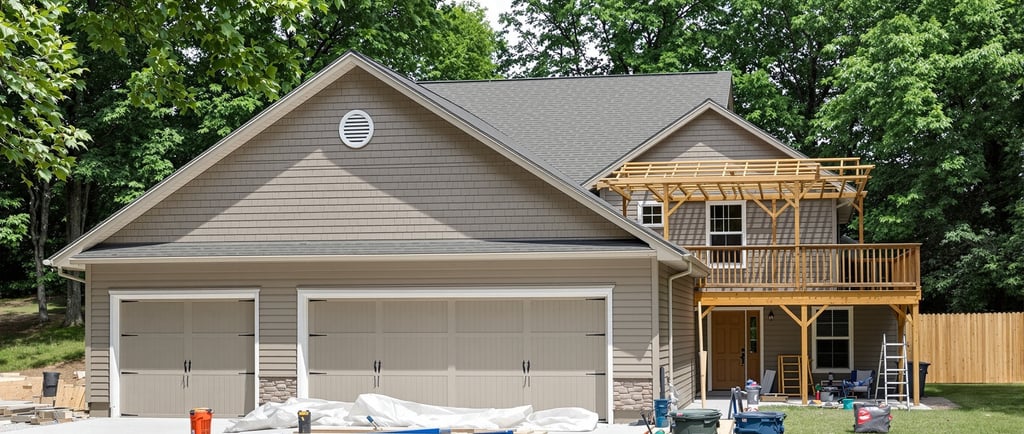
Prefab homes, or prefabricated homes, are residential structures that are built off-site in a controlled factory environment before being transported to their final location for assembly. This innovative construction method involves creating various components of the home, such as walls, roofs, and floors, before bringing them together at the designated site. This contrasts with traditional construction methods, which typically involve building homes entirely on-site, often leading to longer construction times and various weather-related delays.
The construction process for prefab homes offers several advantages that make them an attractive option for many homebuyers. First and foremost, prefab homes tend to be more cost-effective due to reduced labor expenses and efficient use of materials. Additionally, by manufacturing components in a factory setting, the quality control can be more stringent, resulting in fewer defects and ensuring a higher standard of construction. Moreover, the assembly time on-site is significantly shortened compared to traditional builds, allowing homeowners to move into their new residences more quickly.
It is essential to understand the differences between prefab, modular, and manufactured homes to make informed decisions. While all three types involve pre-built components, modular homes are typically constructed to comply with local building codes and are often considered as site-built homes once assembled. On the other hand, manufactured homes are built according to federal building codes and can be relocated more easily than their modular counterparts. Each type of prefab home offers unique benefits and considerations, making it vital for prospective homeowners to assess their needs and preferences carefully.
In summary, prefab homes present a modern, efficient, and versatile approach to homeownership, appealing to a diverse range of individuals. Understanding the nuances of these construction types can empower beginners to make informed choices regarding their future homes.
Understanding Your Prefab Home’s Structure
A prefab home, or prefabricated home, is a type of housing that is constructed using factory-made components. These components are then transported to the building site for assembly. Understanding the structure of a prefab home involves recognizing its key components: the foundation, walls, roof, and insulation.
The foundation of a prefab home is crucial as it provides the base for the entire structure. Most prefab homes are built on concrete slabs, crawl spaces, or basement foundations. Each type has its own benefits; for instance, a concrete slab offers a solid base that prevents moisture from seeping into the home, while a basement can provide additional living or storage space.
Next, the walls of a prefab home are typically constructed using wood or steel frames. These frames are filled with insulation materials, such as fiberglass or foam, which enhance energy efficiency. The choice of construction materials impacts the durability, energy efficiency, and overall comfort of the home. For instance, homes built with steel frames may offer better resistance against harsh weather conditions compared to their wooden counterparts.
The roof of a prefab home plays a vital role in protecting the interior from the elements. Prefab homes generally utilize various roofing styles, including gable, flat, or hip roofs, each contributing differently to the home's appearance and functionality. Additionally, proper roofing materials can significantly influence energy consumption and comfort levels.
Insulation is another critical component that affects energy efficiency and comfort. A well-insulated prefab home minimizes heat loss in winter and reduces heat gain in summer, ultimately lowering energy costs. It is important for beginners to understand the insulation types available and how they contribute to a sustainable living environment.
By familiarizing oneself with these structural elements, homeowners can better appreciate how their prefab home is built and maintained, leading to improved care and longevity of the dwelling.
Routine Maintenance Tasks
Owning a prefab home comes with the responsibility of ensuring its longevity and functionality, which can be achieved through regular maintenance tasks. These essential routines not only enhance the living experience but also prolong the lifespan of the home. Homeowners are encouraged to establish a comprehensive maintenance schedule that suits their specific needs, thereby facilitating timely interventions when issues arise.
One of the primary tasks to undertake is checking for leaks. This can manifest in various areas, including roofs, windows, and plumbing. A small leak can lead to significant water damage if not addressed promptly. Homeowners should inspect these areas regularly, especially after heavy rainfall or storms, to identify any signs of moisture intrusion. A proactive approach to leak detection can prevent extensive repairs down the line.
Another critical task is cleaning gutters, as clogged gutters can lead to water pooling and structural damage. Routine gutter maintenance should occur at least twice a year, and more frequently if there are overhanging trees. Clearing out debris ensures proper water drainage, promoting the integrity of the home’s foundation.
Inspecting the foundation is equally crucial in maintaining a prefab home. Homeowners should check for cracks or signs of shifting, as these issues can compromise the stability of the structure. Scheduling professional assessments annually can also provide insights into necessary repairs.
Finally, maintaining HVAC systems is essential for indoor comfort and air quality. Regular filter changes and annual professional servicing can optimize system efficiency, helping to avoid costly breakdowns during extreme weather conditions. Emphasizing these routine maintenance tasks will significantly enhance the functionality and safety of a prefab home.
Seasonal Maintenance Considerations
Maintaining a prefab home requires attention to the specific needs that arise with changing seasons. Proper seasonal maintenance not only prolongs the lifespan of your home but also enhances comfort and energy efficiency. Each season presents unique challenges that necessitate tailored care, ensuring your prefab residence remains a refuge from the elements.
In spring, it is crucial to inspect the exterior of the home for any winter damage. This includes checking the roof for missing or damaged shingles and assessing the siding for signs of wear. Additionally, inspect windows and doors for leaks and reapply caulk or weatherstripping as necessary. Spring is also an excellent time to service your air conditioning system, which may involve replacing filters and ensuring that the unit operates effectively, preparing it for the warmer months ahead. Furthermore, clean gutters and downspouts to prevent water damage and promote proper drainage.
As summer arrives, focus on outdoor maintenance and cooling systems. Inspect ventilation systems to ensure adequate airflow, and consider adding insulation if you reside in particularly hot climates. This is also the season to check plumbing for potential leaks, especially in outdoor faucets and piping. Regularly check smoke detectors and carbon monoxide alarms, crucial for maintaining safety during summer gatherings and activities.
As the leaves begin to fall in autumn, clear gutters once again to prevent blockages. This season also calls for a thorough HVAC inspection, ensuring heating systems are ready for winter. It is prudent to check insulation in attics and crawl spaces to prevent heat loss. Additionally, winterize outdoor plumbing by draining and insulating pipes, protecting them from freezing temperatures.
During winter, monitor your home's heating system closely. Change filters as needed and check for drafts around windows and doors. Ensure that your prefab home is well-insulated to maintain warmth, paying special attention to the foundation and basement areas. Regularly clear snow from roofs and pathways to prevent hazardous conditions and structural stress.
In conclusion, seasonal maintenance is vital for safeguarding a prefab home against the various challenges posed by weather changes. By staying proactive in each season, homeowners can ensure their property remains secure, comfortable, and efficient year-round.
Common Issues and Troubleshooting
Prefab homes, while convenient and efficient, may present certain challenges that require attention. One of the most common issues encountered is settling. As these homes are placed on foundations, it is not unusual for them to gradually shift, especially during the initial phases after construction. Homeowners might observe slight gaps around windows or doors, uneven floors, or minor cracks in walls. It is advisable to monitor these changes and, if the situation becomes severe, consult with a professional foundation expert to assess the integrity of the structure.
Another prevalent issue is moisture problems, which can lead to serious damage if not addressed promptly. Prefab homes are designed to be moisture resistant, but improper ventilation can lead to dampness, mold, and mildew. Homeowners should ensure that areas like bathrooms and kitchens are equipped with proper venting systems. Checking for signs such as water stains on ceilings or walls, musty odors, or excessive humidity levels is essential. If these signs appear, addressing the root cause and repairing any leaks is crucial. For more extensive mold removal, professional services may be necessary.
Material wear and tear is yet another concern in prefab home maintenance. Over time, components such as siding, roofing, and insulation can deteriorate. Regular inspections are imperative to identify any signs of wear, such as peeling paint, rusted gutters, or damaged shingles. Simple fixes like repainting or replacing a few shingles can usually be managed by homeowners. However, when damage is extensive, such as large sections of siding needing replacement, it is wise to enlist the help of a qualified contractor to ensure the repairs are conducted properly and safely.
Upgrades and Renovations
Upgrading and renovating a prefab home can substantially improve its performance, aesthetic appeal, and overall value. Various modifications can be considered, each contributing to a more efficient and visually appealing living environment. One significant area for improvement is energy efficiency. Upgrading insulation, replacing windows with high-efficiency models, and installing solar panels are exemplary methods to reduce energy consumption and minimize utility costs. These enhancements not only benefit the environment but also increase the home's resale value.
Landscaping is another aspect worth considering. A well-thought-out outdoor space can significantly elevate the overall ambiance of a prefab home. This might include adding native plants that require less water, which supports sustainability, or incorporating pathways, patios, and outdoor seating areas. Such elements create functional spaces that encourage outdoor activities and improve the visual connection between indoor and outdoor living.
Interior renovations can also play a critical role in enhancing usability and aesthetics. Reconfiguring floor plans to create open-concept living areas can improve the flow of space, making it feel larger and more inviting. Upgrading kitchen and bathroom fixtures with modern, energy-efficient options can provide a fresh look and improve daily functionality. Additionally, incorporating smart home technologies can offer both convenience and increased efficiency, allowing homeowners to control lighting, heating, and security systems remotely.
It is essential to carefully assess the potential costs and benefits associated with any planned upgrades or renovations. Prioritizing improvements that address specific needs over those that may only provide aesthetic value can lead to more significant long-term satisfaction. By strategically investing in these enhancements, homeowners can transform their prefab homes into customized spaces that reflect their style while meeting modern living standards.
Resources for Prefab Homeowners
As a newcomer to the world of prefab homes, it's crucial to have access to reliable resources that can aid in effective maintenance and upkeep. There are several websites dedicated to prefab home advice, which can serve as valuable tools for beginners. Websites such as PrefabReview.com and Inhabitat.com provide a wealth of information, including maintenance tips, design ideas, and updates on the latest trends in prefabricated construction. These resources can facilitate a better understanding of how to care for a prefab home.
Books on the subject of prefab homes also abound, offering in-depth insights and guidance tailored to homeowners. Titles like "Prefab Homes: The Future of Design" and "The New Prefab: How to Build Your Own Home" deliver expert knowledge on building and maintaining these types of homes. Such literature often includes practical advice on winterizing, energy efficiency improvements, and long-term care specific to modular structures, making it a worthwhile investment for any prefab homeowner.
In addition to websites and books, community forums offer a space for ongoing discussion among prefab homeowners. Platforms like Reddit and Houzz have dedicated threads where individuals can ask questions, share experiences, and receive recommendations on various topics. Engaging in these forums can provide not only solutions but also emotional support as you navigate the unique challenges of maintaining a prefab home.
Lastly, finding professionals who specialize in prefab homes is integral to effective maintenance. Services such as those provided by the American Institute of Architects (AIA) and the National Association of Home Builders (NAHB) can assist in locating experts proficient in prefab construction. Many local contractors have experience with modular systems, making them invaluable allies in your maintenance efforts. By utilizing these resources, new prefab homeowners can ensure their residence remains in excellent condition for years to come.