
A Comprehensive Guide to Selling Your Existing Mobile Home
10/29/20258 min read
Understanding the Mobile Home Market
The mobile home market has undergone significant transformation over the past few years, influenced by various economic and social factors. Currently, there is an increasing demand for affordable housing options, particularly as home prices in traditional real estate sectors continue to rise. This demand has made mobile homes an attractive alternative for many homebuyers seeking cost-effective solutions. According to industry reports, mobile homes are often priced significantly below that of conventional homes, making them appealing to a diverse buyer demographic.
Trends in the mobile home market indicate a growing acceptance of this housing type as a viable lifestyle choice, rather than merely a temporary option. Many buyers are now appreciating the flexibility and community living that mobile homes offer. As environmental awareness increases, there is also a rising trend toward energy-efficient and sustainable mobile homes, catering to conscientious consumers. These changes point toward a robust interest in modernizing mobile homes, with manufacturers focusing on incorporating high-quality materials and contemporary designs.
However, it's essential to acknowledge regional variations in the mobile home market. For instance, certain areas are experiencing a surge in demand, particularly where job growth and urban development are prevalent. Conversely, some regions may still face challenges, such as zoning restrictions and stigmas associated with mobile living. Conducting market research becomes crucial in understanding these regional dynamics as it enables sellers to effectively position their mobile homes for sale. Knowledge of current prices, local demand, and socioeconomic conditions can significantly impact the pricing strategy and marketing efforts, ultimately determining the success of a sale.
Preparing Your Mobile Home for Sale
Successfully selling your mobile home requires a thoughtful approach that begins with adequate preparation. One of the first steps to take is to conduct a thorough cleaning. A clean home not only looks appealing but also invites potential buyers to envision themselves living in the space. Pay attention to all areas, including kitchens, bathrooms, and living rooms, ensuring that surfaces are wiped down, carpets are vacuumed, and windows are washed. A pristine environment can significantly enhance the first impression.
Next, decluttering your mobile home is essential. Remove excess items, personal belongings, and any unnecessary furnishings. A clutter-free space makes it easier for buyers to see the potential of each room and how they can personalize it according to their taste. Consider donating, selling, or storing items that are not essential for a potential exhibit of the home. This step also creates an illusion of more space, a crucial factor for many buyers.
Staging the mobile home can further enhance its appeal. This involves arranging furniture in a way that highlights the functionality of each area while creating an inviting atmosphere. Appropriate décor can help buyers to visualize the lifestyle they could have in your mobile home. Moreover, focusing on repairs and maintenance is vital. Address any minor issues such as leaky faucets, squeaky doors, or peeling paint, as these might raise concerns during viewings.
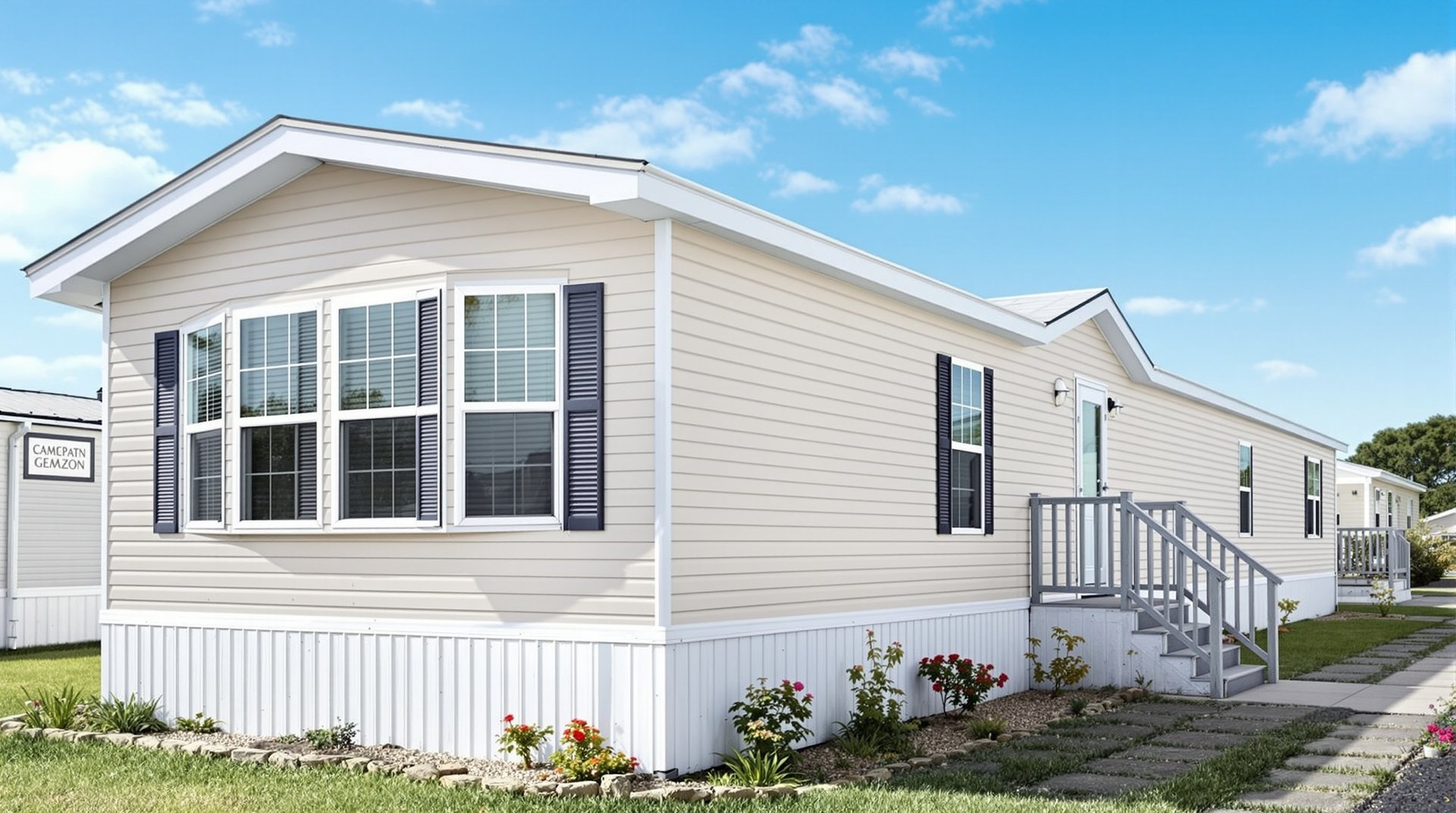
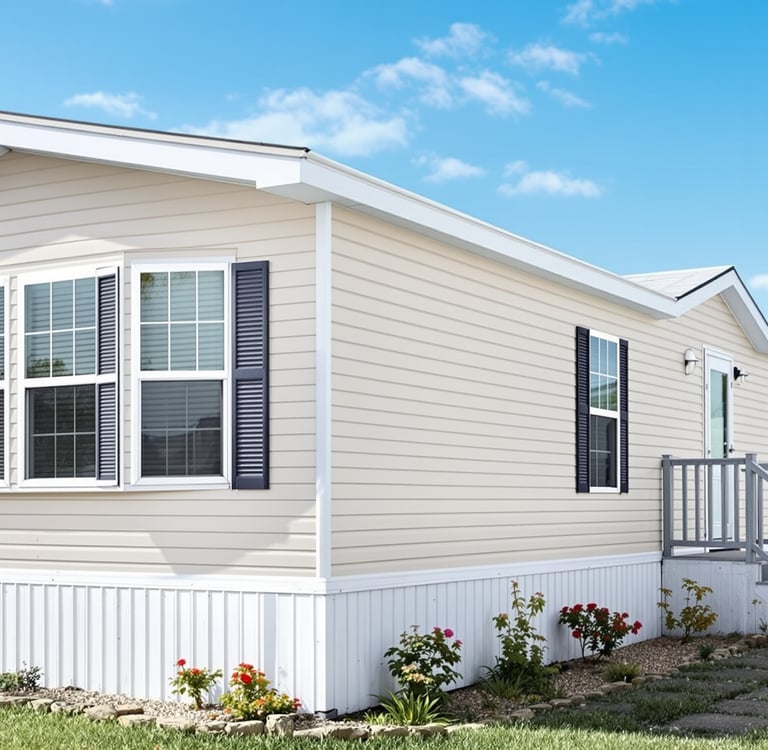
It is equally important to enhance the curb appeal of your mobile home. First impressions matter, and the exterior of your home should convey a welcoming presence. This can be achieved through a simple landscaping refresh, cleaning the exterior walls, or repainting the door. Potential buyers often drive by before scheduling a visit; thus, an eye-catching exterior can crucially influence their decision to enter the home.
Pricing Your Mobile Home Competitively
Determining the right price for your mobile home is crucial for a successful sale. An accurate assessment of your home's value ensures you attract potential buyers while maximizing your profit. Several factors should be considered when pricing your mobile home, including location, condition, and current market trends.
First, evaluate the location of your mobile home. Properties situated in desirable areas tend to command higher prices. Research the neighborhood, examining factors such as school districts, proximity to amenities, and overall reputation. Additionally, consider the local real estate market; understanding whether it is a buyer's or seller's market can significantly influence your pricing strategy.
Next, assess the physical condition of your mobile home. Take stock of various elements, including the age of the home, any recent renovations, and overall maintenance. A well-maintained home with modern upgrades is more likely to attract buyers, allowing you to set a higher price. Conversely, if your home is in need of repairs, you may need to lower the price or invest in necessary improvements before listing.
Market trends also play a vital role in pricing your mobile home competitively. Stay informed about recent sales in your area, paying close attention to similar homes. Online tools and local real estate listings can provide valuable insights into asking prices and final sale amounts for comparable mobile homes. This information will help formulate a reasonable price point based on actual sales data.
Finally, consider consulting with a real estate professional who specializes in mobile homes. Their expertise can offer additional guidance on pricing strategies tailored to your unique situation. By carefully analyzing these factors and setting a competitive price for your mobile home, you’ll enhance your chances of a successful sale in a timely manner.
Marketing Your Mobile Home Effectively
When it comes to selling a mobile home, effective marketing strategies are crucial to reach the right audience and secure a successful sale. One of the most impactful methods to consider is utilizing online listings. Websites dedicated to real estate sales, such as Zillow, Realtor.com, or specific mobile home marketplaces, can enhance visibility significantly. Create a comprehensive listing that includes essential details such as the year, size, and condition of the mobile home, along with the asking price. The inclusion of location and specifications about community amenities can further attract potential buyers.
Visual appeal plays a vital role in drawing interest to your listing. High-quality photographs are essential; they should showcase both the interior and exterior of the home. Utilize natural lighting to capture inviting images. Consider including photos of outdoor spaces and any unique features the mobile home offers. Additionally, creating a virtual tour can provide prospective buyers an immersive experience, helping them to visualize living in the space.
Social media platforms also serve as powerful tools for marketing your mobile home. Create posts highlighting your listing and share them across platforms such as Facebook, Instagram, and Pinterest. Consider joining local buy/sell/trade groups or mobile home forums to target your audience directly. Engaging with potential buyers through comments and messages can build interest and foster trust.
Besides online techniques, employing traditional marketing methods can still prove effective. Posting “For Sale” signs in the neighborhood, distributing flyers, or even hosting an open house can attract local buyers. These strategies, when combined, can maximize exposure and ultimately lead to a successful sale of your mobile home. By implementing these marketing techniques, you can increase the chance of reaching your desired audience efficiently.
Navigating Legal Requirements and Documentation
When selling a mobile home, it is crucial to familiarize oneself with the legal requirements and necessary documentation involved in the process. One of the primary legal considerations is ownership verification. Sellers must ensure that they have clear title to the mobile home, which typically requires proof of ownership such as a title certificate. This document serves as evidence that the seller is the rightful owner and has the authority to sell the property. If the title is lost, the seller must apply for a duplicate title through their local Department of Motor Vehicles (DMV) or equivalent agency.
In addition to ownership verification, transferring the title is a vital step in the sale process. This involves filling out a title transfer form and submitting it to the appropriate agency. This form usually requires basic information about the seller, buyer, and the mobile home itself, including its Vehicle Identification Number (VIN). Both the buyer and seller may need to sign the form to finalize the transaction. It’s important to check if the local laws necessitate notarization of these documents, as requirements can vary by state.
Moreover, sellers must also be aware of any regulatory requirements that apply to their mobile home. For example, if the home is situated in a mobile home park, it may be subject to specific park regulations regarding sales and transfers. Additionally, sellers are often required to disclose any known defects or hazards associated with the mobile home, ensuring that prospective buyers are fully informed. This disclosure protects the seller from potential legal liabilities post-sale. By understanding and complying with these legal requirements and documentation necessities, sellers can facilitate a smoother transaction and ensure all parties involved are protected.
Showings and Negotiating Offers
Conducting successful showings is a vital aspect of selling your mobile home. The goal is to create an inviting atmosphere that highlights the property's best features. Start by ensuring that your home is clean and well-maintained, paying particular attention to the exterior, as first impressions are crucial. Consider staging the space to allow potential buyers to envision themselves living in the home. This may involve rearranging furniture or adding decorative elements that enhance the overall appeal.
During the showing, be prepared to address common concerns that buyers may have. These can range from questions about maintenance history to inquiries about the local area. It is beneficial to have relevant documents on hand, such as maintenance records, warranties, and any recent updates or renovations. Offering transparent information fosters trust and demonstrates your commitment to a smooth transaction. Additionally, building rapport with potential buyers can positively influence their decision-making process.
Once interest has been expressed, the next step is negotiating offers. Negotiation can often be the most challenging part of the selling process, as it requires a blend of assertiveness and flexibility. Be clear on your minimum acceptable price beforehand to avoid hasty decisions. Listen carefully to the buyer’s offer and be open to discussion. If their proposal is lower than expected, you can counter with your rationale while highlighting your mobile home's value, which may include unique features or its location advantages.
Throughout the negotiation process, prioritize communication and professionalism. Avoid emotional responses, and instead aim for constructive dialogue. Establishing a positive transaction atmosphere can lead to a mutually beneficial agreement. In conclusion, successfully managing showings and adeptly negotiating offers are essential skills that will facilitate the sale of your mobile home while ensuring buyer satisfaction.
Closing the Sale: Final Steps
Once an offer for your mobile home has been accepted, the closing process begins, marking the transition from seller to buyer. It is imperative to approach this phase with thoroughness and attention to detail, as it involves several critical steps to ensure a successful sale.
The first step in the closing process is to finalize the contracts. This typically involves drafting or reviewing a purchase agreement that outlines the terms of the sale, including the sale price, contingencies, and closing date. It is advisable to consult with a legal professional or real estate agent to ensure all necessary elements are included and to avoid any potential legal issues down the line.
Next, financial transactions must be handled. This includes the transfer of funds from the buyer to the seller, often facilitated through an escrow service. Escrow acts as a neutral third party that holds the buyer's earnest money deposit and coordinates the final financial details. Ensuring that all funds are properly transferred and accounted for is crucial in this phase.
Equally important is the proper transfer of title. This entails gathering and signing the necessary documents to transfer ownership, which commonly includes title certificates and any relevant disclosure statements. A thorough understanding of state regulations regarding mobile home title transfer will help streamline this process and avoid any delays.
Before concluding the sale, it is essential to conduct a final walkthrough with the buyer. This step allows the buyer to inspect the home one last time, ensuring that it meets their expectations and all agreed-upon conditions have been fulfilled. Additionally, obtaining feedback from the buyer can provide valuable insights into their experience, which can be beneficial for future sales.
In the closing process, attention to each element is vital for a seamless transition. By adhering to these steps, you can facilitate a smooth sale and create confidence in your professionalism as a seller.